
ภาวะผู้นำเชิงกลยุทธ์ของผู้บริหารโรงเรียน สังกัดสำนักงานการศึกษาเอกชนจังหวัดปัตตานี
คำสำคัญ:
ภาวะผู้นำเชิงกลยุทธ์, ผู้บริหารโรงเรียน, สำนักงานการศึกษาเอกชนจังหวัดปัตตานีบทคัดย่อ
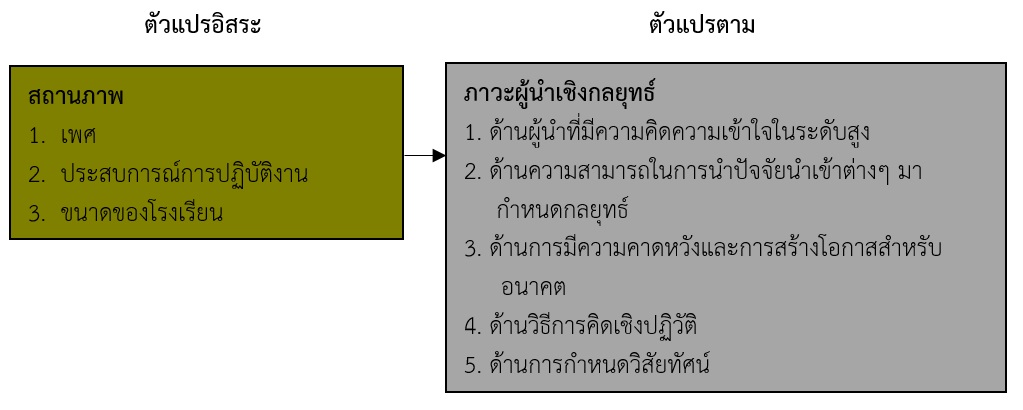
การค้นคว้าอิสระครั้งนี้ มีวัตถุประสงค์เพื่อ 1) ศึกษาระดับภาวะผู้นำเชิงกลยุทธ์ของผู้บริหารโรงเรียน 2) เปรียบเทียบระดับภาวะผู้นำเชิงกลยุทธ์ของผู้บริหารโรงเรียน จำแนกตามเพศ ประสบการณ์ในการปฏิบัติงาน และขนาดของโรงเรียน และ 3) ประมวลข้อเสนอแนะของภาวะผู้นำเชิงกลยุทธ์ของผู้บริหารโรงเรียน กลุ่มตัวอย่างที่ใช้ในการวิจัยครั้งนี้ คือ ผู้บริหารโรงเรียน สังกัดสำนักงานการศึกษาเอกชนจังหวัดปัตตานี ปีการศึกษา 2563 กำหนดขนาดกลุ่มตัวอย่างโดยใช้ตารางสำเร็จรูปของเครจซี่และมอร์แกน ได้กลุ่มตัวอย่าง จำนวน 170 คน สุ่มอย่างง่ายโดยการจับฉลากแบบไม่ใส่คืน เครื่องมือที่ใช้ในการวิจัยครั้งนี้ คือ แบบสอบถามที่สร้างขึ้นจากกรอบแนวคิดภาวะผู้นำเชิงกลยุทธ์ของดูบริน หาค่าความสอดคล้องระหว่างข้อคำถามกับวัตถุประสงค์ ได้ค่าระหว่าง 0.67-1.00 หาค่าความเชื่อมั่นโดยวิธีของครอนบาค ได้ค่าเท่ากับ 0.978 สถิติที่ใช้ คือ ค่าความถี่ ค่าร้อยละ ค่าเฉลี่ย ค่าส่วนเบี่ยงเบนมาตรฐาน สถิติค่าทีอิสระ สถิติค่าเอฟ และทำการทดสอบค่าเฉลี่ยรายคู่โดยวิธีของเชฟเฟ่ ผลการวิจัยพบว่า
1. ระดับภาวะผู้นำเชิงกลยุทธ์ของผู้บริหารโรงเรียน สังกัดสำนักงานการศึกษาเอกชนจังหวัดปัตตานี พบว่า โดยภาพรวมอยู่ในระดับมาก (M=3.96, S.D.=0.64)
2. ผลการเปรียบเทียบระดับภาวะผู้นำเชิงกลยุทธ์ของผู้บริหารโรงเรียน สังกัดสำนักงานการศึกษาเอกชนจังหวัดปัตตานี จำแนกตามเพศ พบว่า ผู้บริหารที่มีเพศต่างกัน มีความคิดเห็นต่อระดับภาวะผู้นำเชิงกลยุทธ์ แตกต่างกัน อย่างมีนัยสำคัญทางสถิติที่ระดับ .05 จำแนกตามประสบการณ์ในการปฏิบัติงาน พบว่า ผู้บริหารที่มีประสบการณ์ในการปฏิบัติงานต่างกัน มีความคิดเห็นต่อระดับภาวะผู้นำเชิงกลยุทธ์ ไม่แตกต่างกัน และจำแนกตามขนาดของโรงเรียน พบว่า ผู้บริหารที่มีขนาดของโรงเรียนที่ต่างกัน มีความคิดเห็นต่อระดับภาวะผู้นำเชิงกลยุทธ์ แตกต่างกัน อย่างมีนัยสำคัญทางสถิติที่ระดับ .01 จำนวน 1 คู่ คือ ผู้บริหารโรงเรียนขนาดใหญ่พิเศษ มีความคิดเห็นต่อระดับภาวะผู้นำเชิงกลยุทธ์ มากกว่า ผู้บริหารโรงเรียนขนาดเล็ก
3. ผลการประมวลข้อเสนอแนะของภาวะผู้นำเชิงกลยุทธ์ของผู้บริหารโรงเรียน สังกัดสำนักงานการศึกษาเอกชนจังหวัดปัตตานี ในด้านผู้นำที่มีความคิดความเข้าใจในระดับสูง พบว่า ผู้บริหารโรงเรียนต้องสามารถมองภาพรวมขององค์กรได้และเห็นคุณค่าเล็ก ๆ น้อย ๆ จากการทำงานของครู ด้านความสามารถในการนำปัจจัยนำเข้าต่าง ๆ มากำหนดกลยุทธ์ พบว่า ผู้บริหารควรมีเครือข่ายในการสนับสนุนองค์กรทั้งทางตรงและทางอ้อมิ ด้านการมีความคาดหวังและการสร้างโอกาสสำหรับอนาคต พบว่า ผู้บริหารต้องเป็นผู้นำและเป็นขวัญกำลังใจ สร้างแรงจูงใจให้กับครู ด้านวิธีการคิดเชิงปฏิวัติ พบว่า ผู้บริหารต้องมีแนวคิดที่จะพัฒนาตนเองและโรงเรียนอย่างสม่ำเสมอ ด้านการกำหนดวิสัยทัศน์ พบว่า ผู้บริหารควรมีทักษะในการมองภาพแห่งอนาคตคาดการณ์อนาคตว่าโรงเรียนของตนจะต้องไปอยู่ในจุดไหน
เอกสารอ้างอิง
ชัยเสฏฐ์ พรหมศรี. (2557). ภาวะผู้นําร่วมสมัย. กรุงเทพฯ: ปัญญาชน.
ซาลีฮ๊ะ สาแล. (2559). สภาพ ปัญหาและแนวทางการดำเนินการตามกระบวนการบริหารเชิงกลยุทธ์ของโรงเรียนเอกชนสอนศาสนาอิสลาม สังกัดสำนักงานการศึกษาเอกชนจังหวัดปัตตานี. วิทยานิพนธ์ศิลปศาสตรมหาบัณฑิต สาขาการบริหารและการจัดการศึกษาอิสลาม, มหาวิทยาลัยสงขลานครินทร์.
ฏิมากร บุ้นกี้. (2563) การศึกษาบทบาทภาวะผู้นำเชิงกลยุทธ์ของผู้บริหารสถานศึกษา สังกัดสำนักงานเขตพื้นที่การศึกษาประถมศึกษาตราด. วิทยานิพนธ์ครุศาสตรมหาบัณฑิตสาขาบริหารการศึกษา, มหาวิทยาลัยราชภัฏรำไพพรรณี.
ธร สุนทรายุทธ. (2551). การบริหารจัดการเชิงปฏิรูป ทฤษฎีวิจัย และปฏิบัติทางการศึกษา. กรุงเทพฯ: เนติกุลการพิมพ์.
นวลจันทร์ จุนทนพ. (2559). การศึกษาบทบาทภาวะผู้นำเชิงกลยุทธ์ของผู้บริหารสถานศึกษาสังกัดเทศบาลในจังหวัดจันทบุรีระยองและตราด. วิทยานิพนธ์ครุศาสตรมหาบัณฑิต สาขาการบริหารการศึกษา, มหาวิทยาลัยราชภัฏรำไพพรรณี.
เนตร์พัณณา ยาวิราช. (2550). การจัดการสมัยใหม่. (พิมพ์ครั้งที่ 6). กรุงเทพฯ: ทริปเพิ้ล กรุ๊ป.
ปนัดดา วรกานต์ทิวัตถ์. (2555). ภาวะผู้นำเชิงกลยุทธ์ของผู้บริหารโรงเรียนอาชีวศึกษาเอกชนกรุงเทพมหานคร ตามการรับรู้ของผู้บริหารและครู. วิทยานิพนธ์ศึกษาศาสตรมหาบัณฑิต สาขาการบริหารการศึกษา, มหาวิทยาลัยธุรกิจบัณฑิตย์.
ภาวินี นิลดำอ่อน. (2557). ความสัมพันธ์ระหว่างภาวะผู้นำการเปลี่ยนแปลงกับสมรรถนะการบริหารงานของผู้บริหารสถานศึกษา สังกัดสำนักงานเขตพื้นที่การศึกษามัธยมศึกษาอุบลราชธานี เขต 29. วารสารบัณฑิตศึกษา มหาวิทยาลัยราชภัฏสกลนคร, 11(53), 151-162.
สำนักงานคณะกรรมการการศึกษาขั้นพื้นฐาน. (2550). คู่มือประกอบการอบรมการขับเคลื่อนกระบวนการ PLC ชุมชนการเรียนรู้ทางวิชาชีพ สู่สถานศึกษา. กรุงเทพฯ: สำนักงานคณะกรรมการการศึกษาขั้นพื้นฐาน.
สำนักงานคณะกรรมการส่งเสริมการศึกษาเอกชน. (2563). รายงานประจำปี 2563. กรุงเทพฯ: สำนักงานคณะกรรมการส่งเสริมการศึกษาเอกชน.
สุวัฒน์ จุลสุวรรณ์. (2563). การบริหารการเปลี่ยนแปลงในสถานศึกษา. (พิมพ์ครั้งที่ 2). มหาสารคาม: ตักศิลาการพิมพ์.
อาซีซะห์ ยีหะมะ. (2560). ภาวะผู้นำการเปลี่ยนแปลงของผู้บริหารสถานศึกษาในโรงเรียนศูนย์ เครือข่ายธารามิตร สำนักงานเขตพื้นที่การศึกษาประถมศึกษาปัตตานี เขต 1. วิทยานิพนธครุศาสตรมหาบัณฑิต สาขาวิชาการบริหารการศึกษา บัณฑิตวิทยาลัย, มหาวิทยาลัยราชภัฏยะลา.
อารี กังสานุกูล. (2560). ภาวะผู้นำการเปลี่ยนแปลงของผู้บริหารสถานศึกษา สังกัดสำนักงานเขตพื้นที่การศึกษาชลบุรี เขต 2. ปริญญานิพนธ์การศึกษามหาบัณฑิต สาขาบริหารการศึกษา บัณฑิตวิทยาลัย, มหาวิทยบูรพา.
อำนวย มีราคา. (2564). การศึกษาภาวะผู้นำเชิงกลยุทธ์ของผู้บริหารสถานศึกษา โรงเรียนพระปริยัติธรรม แผนกสามัญศึกษา กลุ่มที่ 11 ศรีสะเกษ นครราชสีมา ชัยภูมิ บุรีรัมย์ และสุรินทร์. วารสารวิชาการ มจร. บุรีรัมย์, 6(1), 134-145.
Krejcie, R. V. & Morgan, D. W. (1970). Determining Sample Size for Research Activities. Educational and Psychological Measurement, 30(3), 607-610.
ดาวน์โหลด
เผยแพร่แล้ว
รูปแบบการอ้างอิง
ฉบับ
ประเภทบทความ
สัญญาอนุญาต
บทความที่ได้รับการตีพิมพ์เป็นลิขสิทธิ์ของหลักสูตรครุศาสตรมหาบัณฑิต สาขาการบริหารการศึกษา คณะคุรุศาสตร์ มหาวิทยาลัยราชภัฏยะลา
บทความหรือข้อคิดใด ๆ ที่ปรากฏในวารสารการบริหารการศึกษาและครุศาสตร์ที่เป็นวรรณกรรมของผู้เขียน บรรณาธิการ หรือ มหาวิทยาลัยราชภัฏยะลา ไม่จำเป็นต้องเห็นด้วย

