การขึ้นทะเบียนตั๋วรูปพรรณสัตว์พาหนะ : ศึกษาในเชิงประวัติศาสตร์ และพัฒนาการของกฎหมาย
Article Sidebar
Main Article Content
บทคัดย่อ
บทคัดย่อ
บทความวิจัยนี้ มีวัตถุประสงค์เพื่อ 1) ศึกษาประวัติศาสตร์ความเป็นมาและพัฒนาการของกฎหมาย เกี่ยวกับการจดทะเบียนตั๋วรูปพรรณสัตว์ 2) ศึกษาการบังคับใช้กฎหมายพระราชบัญญัติสัตว์พาหนะ พุทธศักราช 2482 กับสภาพสังคมในปัจจุบันที่เปลี่ยนแปลงไป 3) วิเคราะห์ปัญหาและเสนอแนะการบังคับใช้กฎหมายที่เหมาะสม โดยมีวิธีการดำเนินวิจัยเป็นการวิจัยเชิงคุณภาพ ศึกษาจากเอกสารกฎหมาย ตำรา หนังสือ และงานวิจัยที่เกี่ยวข้อง นำเสนอเป็นรายงานการวิจัยด้วยวิธีอภิปรายเชิงพรรณนา
ผลการศึกษาพบว่า ประวัติศาสตร์และพัฒนาการของกฎหมายกับการจดทะเบียนตั๋วรูปพรรณสัตว์ ในอดีตมีกฎหมายลักษณะอาญา ร.ศ. 127 ว่าด้วยปศุสัตว์ ได้แก่ แพะ แกะ สุกร และสัตว์พาหนะ ได้แก่ ช้าง ม้า โค กระบือ ล่อ ซึ่งรวมทั้งสัตว์ที่ใช้เป็นอาหารและสัตว์ที่ใช้เป็นพาหนะ ในอดีตให้ความสำคัญกับสัตว์พาหนะจึงได้มีการตรากฎหมายสัตว์พาหนะแยกออกมาต่างหาก เรียกว่าพระราชบัญญัติสัตว์พาหนะ พ.ศ. 2482 เพราะมีการเคลื่อนย้ายสัตว์พาหนะเข้า-ออกตามด่านชายแดนจำนวนมาก งานทะเบียนสัตว์พาหนะจึงมีความสำคัญอย่างยิ่งต่อการรักษาความสงบและความมั่นคงของประเทศชาติและสิทธิในทรัพย์สินของประชาชน เนื่องด้วยกฎหมายดังกล่าวถูกบังคับใช้มานานถึง 84 ปี โดยไม่ได้รับการปรับปรุงแก้ไขให้ทันสมัย ทั้ง ๆ ที่พบว่าในปัจจุบันการใช้ประโยชน์จากสัตว์พาหนะมีรูปแบบที่เปลี่ยนแปลงไปตามสภาพสังคมและเศรษฐกิจ สัตว์พาหนะมีจำนวนลดน้อยลง และการบังคับใช้กฎหมายไม่สามารถส่งผลดั่งเจตนารมณ์แห่งการตรากฎหมาย การศึกษาหลักและมาตรการทางกฎหมายเรื่องการจดทะเบียนตั๋วรูปพรรณสัตว์พาหนะของประเทศสหรัฐอเมริกา จะเป็นประโยชน์ต่อการปรับปรุงแก้ไขกฎหมายของไทยให้ทันสมัย เป็นที่ยอมรับและเกิดประโยชน์กับเจ้าของสัตว์อย่างแท้จริง
Article Details

อนุญาตภายใต้เงื่อนไข Creative Commons Attribution-NonCommercial-NoDerivatives 4.0 International License.
สงวนสิทธิ์โดย วารสารศึกษิตาลัย วัดศรีสุมังคล์
เลขที่ 962 ตำบลในเมือง อำเภอเมือง จังหวัดหนองคาย
โทร. 086-8894578
E-mail : Sjmcunk@gmail.com
Website :https://so01.tci-thaijo.org/index.php/SJ
เอกสารอ้างอิง
เอกสารอ้างอิง
กรมการปกครอง. (2537). “รายงานการประชุมการพิจารณาปรับปรุงแก้ไข พ.ร.บ. สัตว์พาหนะ พ.ศ. 2482, ครั้งที่ 2/2537”.
กรมการปกครอง กองการทะเบียน. (2532). คู่มือปฏิบัติงานทะเบียนสัตว์พาหนะ พ.ศ. 2482. กรุงเทพมหานคร : โรงพิมพ์ส่วนท้องถิ่น กรมการปกครอง.
กรมการปกครอง สำนักบริหารการทะเบียน. (2555). “หนังสือกระทรวงมหาดไทย ที่ มท 0309.3/ว4718 ลว 9 ตุลาคม 2555 เรื่อง การปฏิบัติตามพระราชบัญญัติสัตว์พาหนะ พ.ศ.2482”.
กรุงเทพธุรกิจ คอลัมนิสต์. (2564). กฎหมายมีลักษณะเปลี่ยนแปลงไปตามสภาพสังคม เศรษฐกิจจริงหรือไม่. เรียกใช้เมื่อ 6 พฤศจิกายน 2564. จาก https://shorturl.asia/uS4g8.
จรัญ จันทลักขณา. (2551). วัวควาย. ใน สารานุกรมไทยฉบับเยาวชน โดยพระราชประสงค์ในพระบาทสมเด็จพระเจ้าอยู่หัว ฉบับเสริมการเรียนรู้. เล่ม 12, หน้า 138.
พระวรภักดิ์พิบูลย์. (2505). “กฎหมายเกี่ยวกับสัตว์”. เรียกใช้เมื่อ 16 มิถุนายน 2565 จาก http://www.library.polsci.chula.ac.th/dl/5944b39dfc475df6c64c14ec61c7e34c.
พีรศักดิ์ ชัยได้สุข. (2505). ชาติเสือไว้ลาย. กรุงเทพมหานคร : สำนักพิมพ์มติชน.
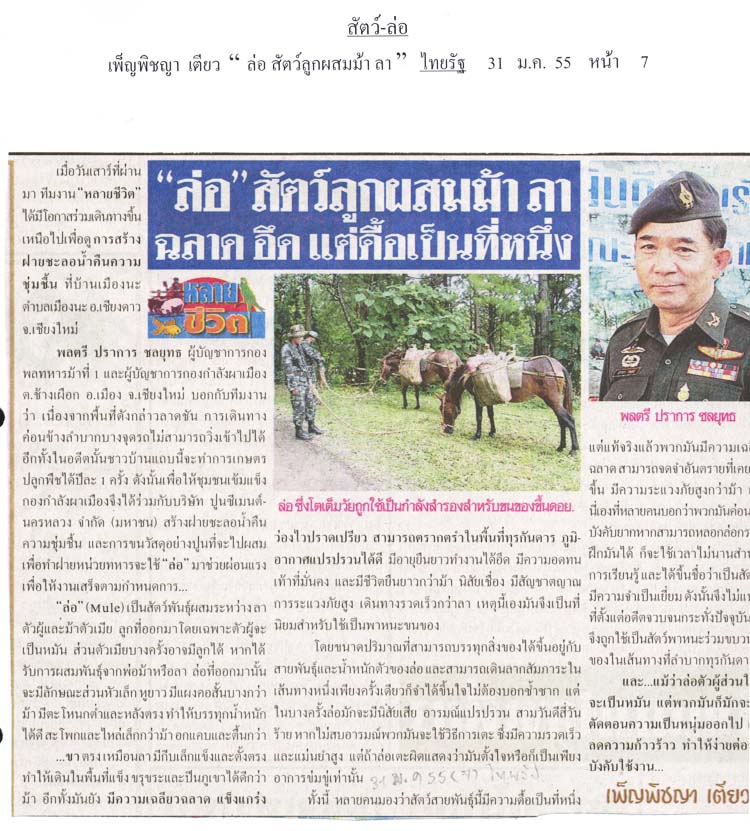
เพ็ญพิชญา เตียว. (2565). “ล่อ” สัตว์ลูกผสมม้า ลา ฉลาด อึด แต่ดื้อเป็นที่หนึ่ง. เรียกใช้เมื่อ 16 มิถุนายน 2565 จาก. http://iadopa.org/clip/ot_0005.jpg.
ราชกิจจานุเบกษา. (2482). พระราชบัญญัติสัตว์พาหนะ พุทธศักราช 2482. เล่มที่ 56 ตอนที่ 55 หน้า 1493 (6 พฤศจิกายน 2482).
ราชกิจจานุเบกษา. (2541). ประกาศสำนักนายกรัฐมนตรี เรื่อง วันช้างไทย. เล่ม 115 ตอน 46 ง หน้า 1 (18 มิถุนายน 2541).
สำนักงานคณะกรรมการกฤษฎีกา. (2536). “หนังสือด่วนที่สุด ที่ นร 0601/1208 เรื่อง ร่างพระราชบัญญัติยกเลิก พระราชบัญญัติสัตว์พาหนะ พุทธศักราช 2482 พ.ศ. ...”.
สุภาพรรณ ไกรเดช และวรรณวิสาข์ ไชยโย. (2565). “ความสัมพันธ์ระหว่างมนุษย์กับสัตว์ในทัศนะของปีเตอร์ ซิงเกอร์”. วารสารปณิธาน, 16(2), 85-110.
อุษณีย์ เติมสุขสวัสดิ์. (2544). ปัญหามาตรการในการคุ้มครองกรรมสิทธิ์และป้องกันการลักสัตว์พาหนะตาม พ.ร.บ.สัตว์พาหนะ พ.ศ. 2482. ใน วิทยานิพนธ์ปริญญามหาบัณฑิต คณะนิติศาสตร์. มหาวิทยาลัยรามคำแหง.