อุปนยนะ: พิธีกรรมของเส้นด้ายกับความเชื่อในคัมภีร์พระเวทและสังคมไทย
คำสำคัญ:
อุปนยนะ, เส้นด้าย, พิธีกรรม, ความเชื่อ, คัมภีร์พระเวทบทคัดย่อ
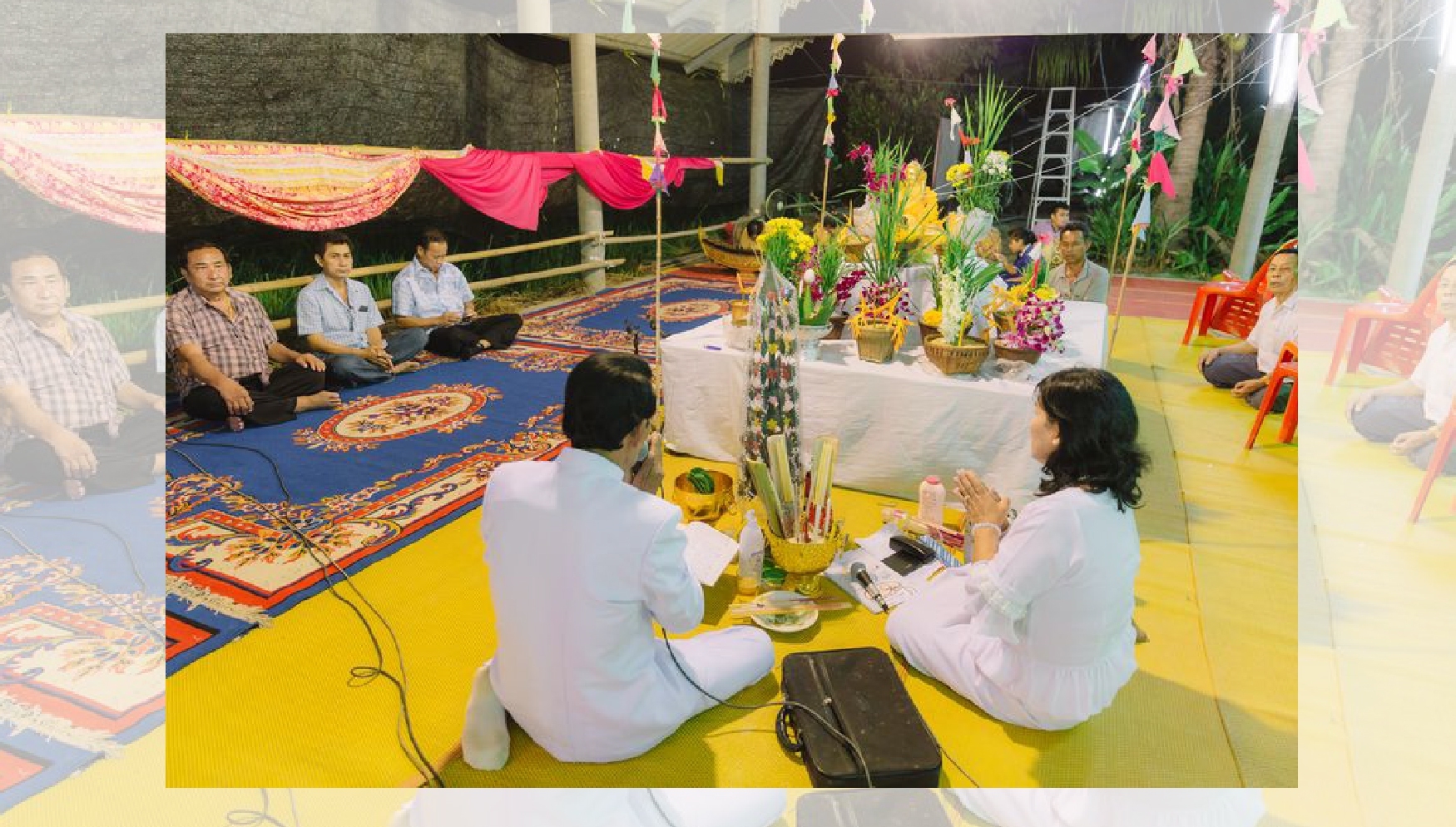
บทความวิชาการนี้มีวัตถุประสงค์เพื่อ 1) เพื่อศึกษาพิธีกรรมอุปนยนะในพระเวท และ 2) เพื่อศึกษาพิธีกรรมของเส้นด้ายที่เกี่ยวข้องกับความเชื่อในพระเวทและสังคมไทย จากการศึกษาพบว่า อุปนยนะ เป็นพิธีกรรมของเส้นด้ายหรือการคล้องด้ายศักดิ์สิทธิ์ให้แก่เด็กในช่วงเริ่มต้นของการเรียนเพื่อส่งมอบเด็ก 3 วรรณะให้แก่ครูเพื่อรับเอาความรู้หลายอย่างจากครู พิธีกรรมนี้ถือกำเนิดขึ้นจากยุคพระเวทจนถึงปัจจุบัน พิธีกรรมนี้มีชื่อเรียกอีกอย่างหนึ่งว่า “ยัชโญปวีต” สีของเส้นด้ายแตกต่างกัน ขึ้นอยู่กับวรรณะและเทพเจ้าของพวกเขา พิธีกรรมเส้นด้ายในสังคมไทยแตกต่างจากพระเวท เส้นด้ายตามความเชื่อของคนไทยมี 2 ชนิดคือ 1) สายสิญจน์ มี 2 สี ได้แก่ สีขาวและคละสี เส้นด้ายทั้งสองสีนี้ใช้ในพิธีกรรมที่เป็นมงคลเท่านั้น และ 2) สายโยง ใช้ในงานศพเท่านั้น คนไทยทุกกลุ่มสามารถใช้ด้ายมงคลได้ทุกประเภท ไม่จำกัดสีเหมือนกับคนอินเดีย แม้ว่าทั้งสองชาติจะมีความเชื่อแตกต่างกัน แต่ก็ยังใช้เส้นด้ายเป็นส่วนหนึ่งของการสร้างความมั่นคงและความเป็นเอกภาพให้แก่คนในสังคมได้ ดังนั้น เส้นด้ายตามแนวคิดของพระเวทและคนไทยถือว่าเป็นสัญลักษณ์ที่มีความหมายของทั้งสองวัฒนธรรมซึ่งสามารถเชื่อมโยงและสร้างเอกภาพในความหลากหลายของทั้งสองประเทศได้อย่างสมบูรณ์
เอกสารอ้างอิง
Apte V.S., 1890. The Practical Sanskrit-English Dictionary. Poona: The Arya Vijaya Press.
Chaiyotha D., 1996. All Religions. Bangkok: Odian Store.
Choosukhserm Th., 2019. “An Analysis of Rites in the Vedas.” Doctoral dissertation. Eastern Philosophy and Religion, Graduate school, Khon Kaen University.
Department of Religious Affairs, 2009. Ceremonies and Traditions. Bangkok: Agriculture Cooperatives of Thailand.
Grimes J., 1996. A Concise Dictionary of Indian Philosophy. New York: State University of New York Press.
Griswold H.D., 1999. The Religion of the Rigveda. Delhi: Motilal Banarsidass.
Horn A.S., 1988. Oxford Learner’s Dictionary of Current English. Fifth Impression. Oxford: Oxford University Press.
Jamison S.W. & Witzel M., 1992. Vedic Hinduism. Monograph.
Kieth A. B., 1970. The Religion and Philosophy of the Veda and Upanisads. Delhi: Motilal Banarsidass.
Krishnaswamy N. & Harini Narayan, 2014. The Vedic Way of life for the first time Reader. Chennai. Documents.
Lakshman R.V., 1889. The Standard Sanskrit-English Dictionary. Poona: Book-seller and Publisher.
Narayana H., 1895. The Vedic Philosophy. Bombay: The Tatva- Vivechaka Press.
Office of the Royal Society, 1999. Dictionary of the Royal Society. Bangkok: Nanmeebooks Publication.
Phra Dhammapitaka (P.A. Payutto), 1994. Why Important is Ceremony. Bangkok: Kledthai.
Phrakru Pariyattisarakarn, 2008. “The Model of Cultural Combination of Basic Beliefs among Buddhism, Brahmanism and Spirit towards Stability of the Isan Community.” Master’s dissertation. Mahasarakham University.
Punnotok T., 1988. Local wisdom of Isan-villagers, concept of Preecha Pinthong. Bangkok: Jareonvid Publisher.
Radhakrishnan S. & Moore C.A., 1973. A Source book in Indian Philosophy. Fifth Edition. New Jersey: Princeton University Press.
Royal Academy,1999. Dictionary of the Royal society of Thailand. Bangkok: Nanmeebooks Publication.
Samarpanananda S., 2008. Vedic Rites and Sacrifices. Monograph.
Sompongjareon W., 2007. “Beliefs of the Thai people in the Sukhothai period 1726 - 2116 B.E.” Master’s dissertation. Department of History, Graduate School, Silpakorn University.
Walsh J.E. 2006. A Brief History of India. New York: An imprint of Infobase Publishing.
Yegnasubramanian S., n.d. Vaidika Samskaras. Monograph.
Vedic Scriptures
HYMN CIV. Indra. p-105
HYMN CLXX. Surya. p-606
HYMN XXVIII. Varuna p-178
HYMN XIII. Indra. p-391
HYMN XXII. Soma Pavamana. p-466
HYMN LIII. Agni Saucika Gods. p-545
HYMN LVIL Visvedevas. p-547
E-Resource
Indiainten, 2018. Top 10 Sacred threads worn by Indians and their Significance. Retrieved January 7, 2020, from https://indiainten.com/top-10-sacred-threads-worn-by-indians-and-their-significance/
La-or S., 2018. Holy threads, silks and Sai-sincana. Retrieved May 12, 2020, from https://www.technologychaoban.com/folkways/article_58218
Muraleedharan A., 2014. Significance of Sacred Threads In Hinduism. Retrieved December 23, 2019, from https://www.speakingtree.in/blog/significance-of-sacred-threads-in-hinduism
My Thailand, 2016. Thai Silk: A Buyer’s Guide. Retrieved May 24, 2020, from https://mythailand.blog/2016/05/24/thai-silk-thailand/
Phrakru Siriratnanuwat, 1988. Dhamma, Ideologies in Thai art and culture. Buddhist Study thesis. Pdf document.
Regional Distance Education Center-Udon Thani, Sukhothai Thammathirat Open University, 2011. Project of new comers-Bai-sri/Content or lecture documents/Report of the operation of academic services to society, the maintenance of arts and culture and local wisdom project. Retrieved October 21, 2019, from https://bit.ly/31vvbqH
Wikipedia. Thai silk. Retrieved May 22, 2020, from https://en.wikipedia.org/wiki/Thai_silk
ดาวน์โหลด
เผยแพร่แล้ว
ฉบับ
ประเภทบทความ
สัญญาอนุญาต
บทความนี้เป็นผลงานของข้าพเจ้าแต่เพียงผู้เดียว และ/หรือเป็นผลงานของข้าพเจ้าและผู้ร่วมงาน ตามชื่อที่ระบุในบทความจริง และเป็นผลงานที่มิได้ถูกนำเสนอหรือตีพิมพ์ที่ใดมาก่อน



