Application of the “Tree” Symbol in Ancient Chinese Painting for Art Education
Article Sidebar
Main Article Content
Abstract
This study systematically explores the cultural and artistic value of the tree symbol in ancient Chinese painting and investigates its innovative application in modern art education. The research objectives include 1. analyzing the symbolic significance and artistic expressions of the symbol across historical periods from 475 BCE to 1912 CE (Warring States to Ming-Qing dynasties 2. validating the efficacy of integrating the symbol into contemporary art education for cultural heritage preservation and creative transformation.
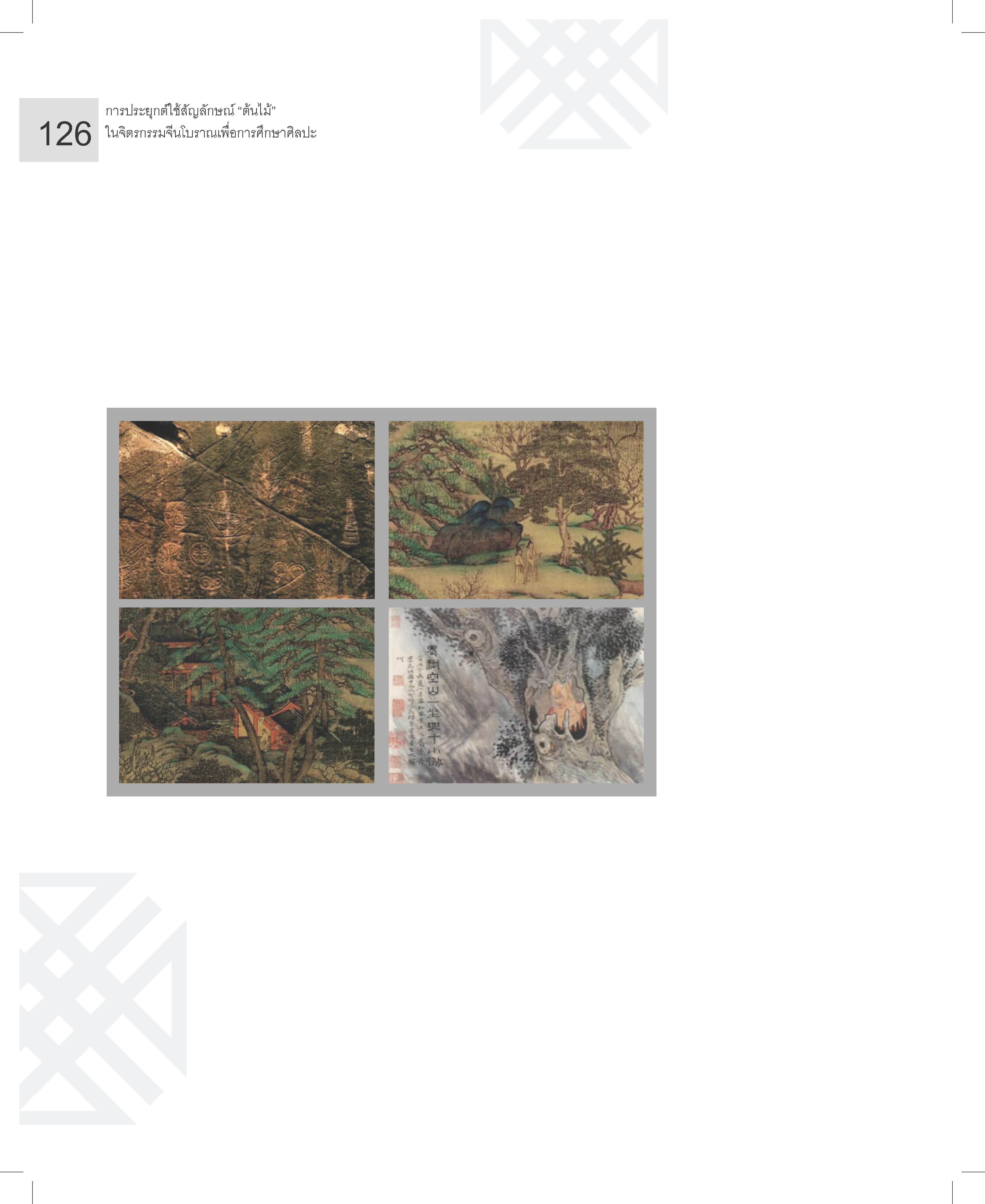
Employing interdisciplinary research methods grounded in art history Symbology and educational theories the findings reveal that during the Warring States to Han dynasty (475 BCE–220 CE), the tree symbol intertwined with Taoist and Confucian ethics represented familial prosperity the Tang dynasty (618–907 CE) emphasized realistic depictions of natural landscapes the Song dynasty (960–1279 CE) saw literati painting flourish where withered trees symbolized solitude and transcendence and the Ming-Qing dynasties (1368–1912 CE) utilized trees as metaphors for scholarly reclusiveness. This evolution reflects dynamic interactions between socio-cultural ideologies and artistic styles.
In educational practice, an innovative pedagogical model integrating virtual reality and augmented reality technologies, themed creative competitions, and interdisciplinary curricula was designed combining traditional symbols with modern technologies enhances classroom interactivity and bridges traditional wisdom with contemporary artistic expression.This study provides a theoretical framework for art education that harmonizes cultural heritage with innovative practices. Future recommendations include optimizing the allocation of educational resources, strengthening professional training for educators, and establishing a diversified evaluation system to enhance pedagogical outcomes.
Article Details

This work is licensed under a Creative Commons Attribution-NonCommercial-NoDerivatives 4.0 International License.
The original manuscript published in the Burapha Arts Journal, Faculty of Fine and Applied Arts, Burapha University, is the property of Burapha University. No part of this text may be reproduced in whole or in part without written permission from the university.
References
Fan, C. (2022). Research on art communication management in Northeast China in the first half of the 20th century [Doctoral dissertation, Nanjing Arts Institute].
Li, Y. (2022). Practical analysis of the concept of "five education" in junior high school classroom management. Basic Education Forum, (31), 108, 110.
Luo, J. (2022). Research on "double-line" integration teaching mode of art appreciation courses in colleges and universities. Beauty and Times (in Chinese), (10), 105–107.
Wang, Y. (2023). Kindergarten management strategies in the context of the integration of "five education". Jiangxi Education, (19), 92–93.
Wu, H. (2022). Chinese painting: Ancient to Tang (pp. 1–224). Shanghai People's Publishing House.
Wu, H. (2023). Chinese painting: Ancient to Southern Song (pp. 1–376). Shanghai People's Publishing House.
Zhang, L. (2023). The penetration strategy of aesthetic education in college student management. Popular Literature and Art, (24), 116–118.
Zheng, Z. (2022). Research on the "curricularization" of junior high school art after-school service under the perspective of aesthetic education [Doctoral dissertation, Southwest University].
