การสร้างสรรค์นาฏศิลป์แบบข้ามวัฒนธรรม ชุด ลาแพร มิดิ เดิง โฟน
Article Sidebar
Main Article Content
บทคัดย่อ
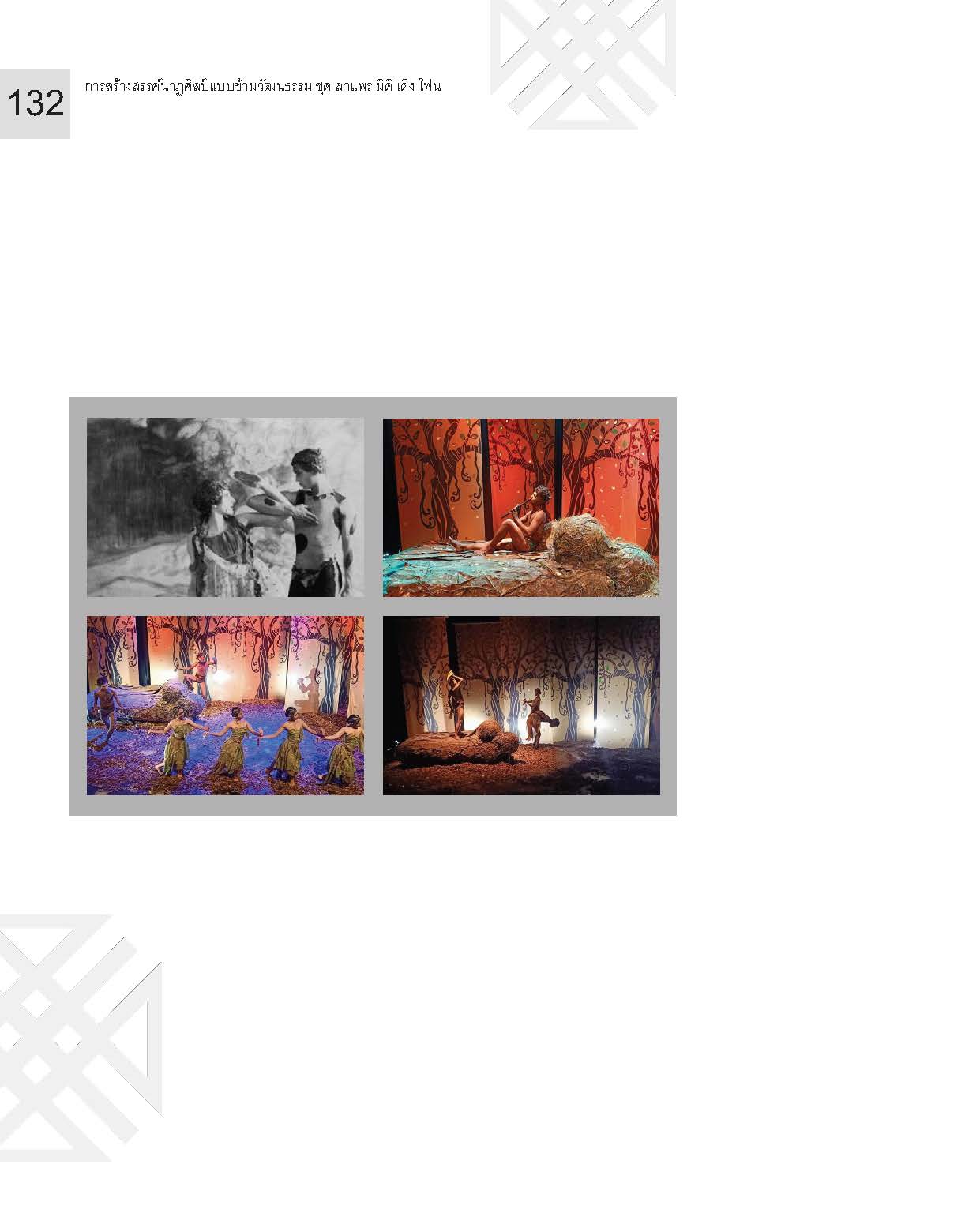
การแสดงชุด ลา แพร มิดิ เดิง โฟน หรือ อัชชบุรุษยามมัธยันห์ เป็นงานวิจัยสร้างสรรค์ โดยมีวัตถุประสงค์ 1) เพื่อสร้างสรรค์การแสดงนาฏศิลป์แบบข้ามวัฒนธรรม 2)เพื่อหาแนวคิดในการสร้างสรรค์การแสดงนาฏศิลป์แบบข้ามวัฒนธรรม โดยมีรูปแบบการวิจัยเชิงคุณภาพและการวิจัยเชิงสร้างสรรค์ โดยการศึกษาค้นคว้า เก็บรวมรวมข้อมูลด้านเอกสาร ตำรา สื่อสารสนเทศที่เกี่ยวข้องกับงานวิจัย เพื่อนำมาวิเคราะห์ผล อันได้แก่ แนวคิดศิลปะสมัยใหม่ แนวคิดด้านวัฒนธรรม เทคนิคการเคลื่อนไหวนาฏศิลป์ ตลอดจนองค์ความรู้อื่นๆ แบบสหวิชา เช่น ภาษาศาสตร์ มนุษยศาสตร์ สังคมศาสตร์ เป็นต้น เพื่อนำมาเป็นกรอบแนวคิดในการสร้างสรรค์ผลงานนาฏศิลป์แบบข้ามวัฒนธรรม และนำเสนอผลงานวิจัยสู่สาธารณชน
ผลวิจัยพบว่า การสร้างสรรค์นาฏศิลป์แบบข้ามวัฒนธรรมนั้น ประกอบไปด้วยแนวคิด 2 ส่วน คือ ส่วนที่ 1 การสร้างสรรค์นาฏศิลป์แบบข้ามวัฒนธรรม ได้แก่ 1)การกำหนดโครงเรื่องและเหตุการณ์ 2)การสื่อสารข้ามวัฒนธรรมผ่านบทกวีไทย 3)การใช้สัญญะหรือภาพแทนความ 4) องค์ประกอบการแสดงแบบข้ามวัฒนธรรม และส่วนที่ 2 แนวคิดในการออกแบบและกำกับลีลา ได้แก่ 1) เทคนิคการเคลื่อนไหวนาฏศิลป์ 2)แนวคิดในการสื่อสารข้ามวัฒนธรรมผ่านการแสดงอิริยาบถ 3)ความสัมพันธ์ระหว่างดนตรีกับท่วงท่าลีลา 4) การจัดแสดงเป็นภาพ
งานวิจัยในครั้งนี้นั้นแสดงให้เห็นอย่างชัดเจนว่า แนวคิดการสร้างสรรค์นาฏศิลป์แบบข้ามวัฒนธรรม นั้นสามารถทำได้โดยการใช้วัฒนธรรมหนึ่งเพื่อสื่อสารถึงวัฒนธรรมหนึ่ง การผสมผสานระหว่างวัฒนธรรม ตลอดจนการสร้างวัฒนธรรมขึ้นมาใหม่เพื่อสื่อสารกับผู้ชมต่างกลุ่มวัฒนธรรมได้อย่างลงตัว ถึงแม้ว่ากรอบแนวคิดจะเกิดเพียงรากวัฒนธรรมใดอย่างหนึ่งก็ตาม แต่ศิลปะการแสดงนั้นไม่อาจอยู่กับที่ได้ ศิลปินจำเป็นต้องพัฒนางาน สร้างสรรค์ให้ทันยุคทันสมัยที่สุด เพื่อให้ศิลปะการแสดงเป็นสื่อกลางหนึ่งในการสื่อสารสังคมเพื่อรักษามรดกทางวัฒนธรรม เพื่อการสร้างสรรค์และเพื่อรับใช้สังคมในยุคร่วมสมัยต่อไป
Article Details

อนุญาตภายใต้เงื่อนไข Creative Commons Attribution-NonCommercial-NoDerivatives 4.0 International License.
ต้นฉบับที่ได้รับการตีพิมพ์ในวารสารศิลปกรรมบูรพา (Burapha Arts Journal) คณะศิลปกรรมศาสตร์ มหาวิทยาลัยบูรพา ถือเป็นกรรมสิทธิ์ของมหาวิทยาลัยบูรพา ห้ามนำข้อความทั้งหมดหรือบางส่วนไปพิมพ์ซ้ำเว้นเสียแต่ว่าจะได้รับอนุญาตจากมหาวิทยาลัยฯ เป็นลายลักษณ์อักษร
เอกสารอ้างอิง
จนัญญา เตรียมอนุรักษ์. (2554). ศิลปะสมัยใหม่. กรุงเทพฯ. โอเพ่นเวิลด์ส.
เถกิง พัฒโนภาษ. (2551). สัญศาสตร์ กับ ภาพแทนความ. วารสารวิชาการ คณะสถาปัตยกรรมศาสตร์ จุฬาลงกรณ์มหาวิทยาลัย, 01-2551(1), 35-50.
ทักษิณา พิพิธกุล. (2558). จากสมัยใหม่ (Modernism) สู่หลังสมัยใหม่ (Postmodernism): การขับเคลื่อนทางวัฒนธรรม สู่ ศิลปะกับธรรมชาติ. วารสารวิชาการมนุษยศาสตร์และสังคมศาสตร์ มหาวิทยาลัยบูรพา, 23(43).
นราพงษ์ จรัสศรี. (2548). ประวัตินาฏยศิลป์ตะวันตก. กรุงเทพฯ. สำนักพิมพ์จุฬาลงกรณ์มหาวิทยาลัย
บุญเลิศ จันทระ. (2544). การศึกษาทางมานุษยวิทยาวัฒนธรรม: กรณีศึกษาประเพณีแต่งงานกับนางไม้ในเขตอำเภอสิงหนคร จังหวัดสงขลา. วิทยานิพนธ์สาขาศิลปศาสตรมหาบัณฑิต สาขาพัฒนาชนบทศึกษา บัณฑิตวิทยาลัย มหาวิทยาลัยมหิดล.
Caddy D., (2012). The ballet Russes and Beyond: Music and dance in Belle-Epoque Paris. US. Cambridge University Press.
Foster Leigh Susan. (1992). Dancing Bodies In Incorporations. New York: Zone Book.
Lo, Gilbert. (2002). Toward a Topography of Cross-Cutural Theatre Praxis. The Drama Review, 46(3), The MIT Press, 31-35.
Mallarmé S., (1914). Poésies. Paris. Éditions de la Nouvelle revue française
R. Mattani. (1996). Dance, Drama, and Theatre in Thailand, Chiengmai. Silkworm Book.
