
การศึกษาลวดลายไม้ฉลุแบบขนมปังขิงในแหล่งชุมชนริมน้ำจันทบูร สู่การสร้างลวดลายรูปแบบใหม่
Article Sidebar
Main Article Content
บทคัดย่อ
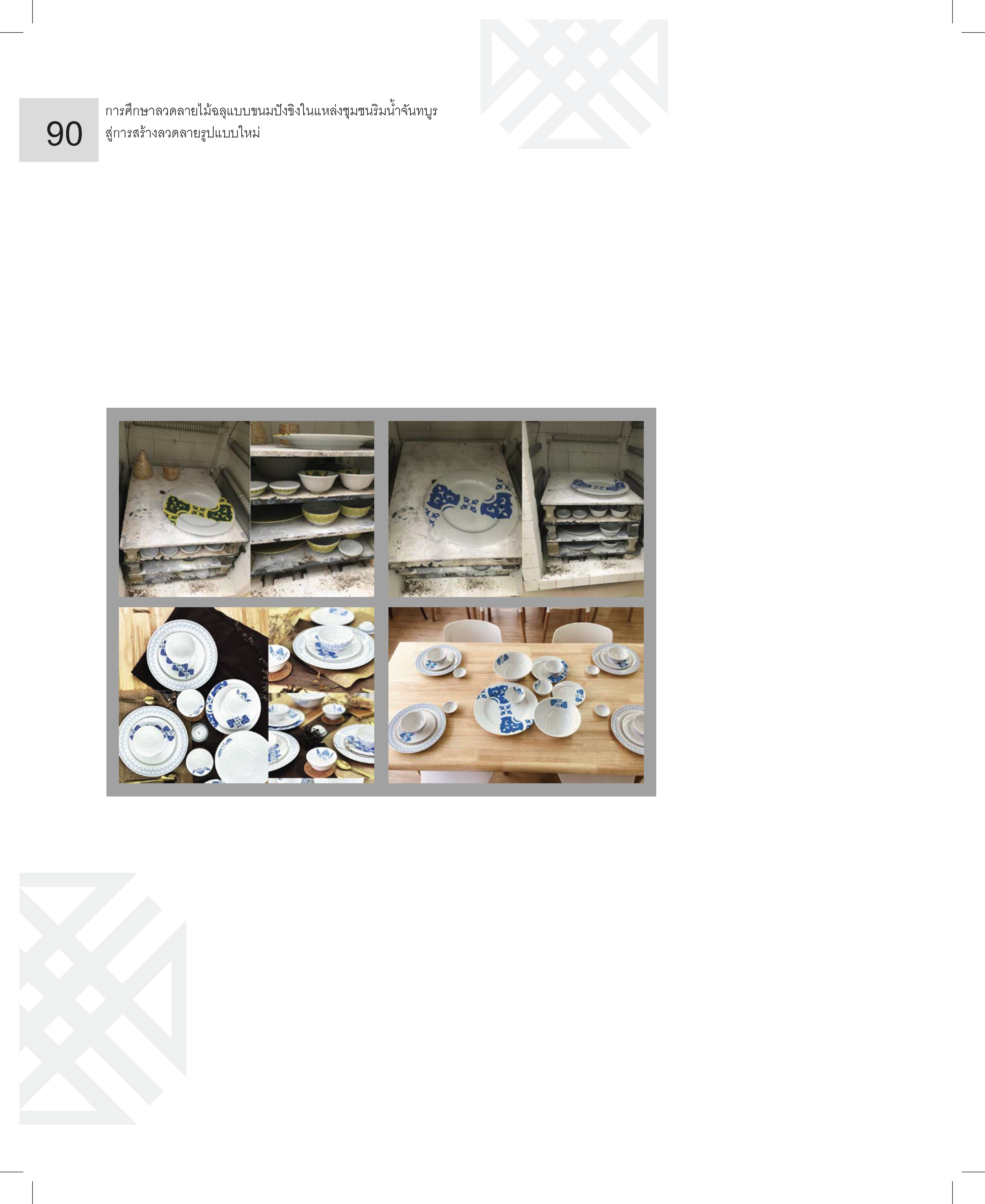
บทความนี้เป็นการศึกษารูปแบบของลวดลายไม้ฉลุแบบขนมปังขิงในแหล่งชุมชนริมน้ำจันทบูรของ จังหวัดจันทบุรีโดยมีวัตถุประสงค์เพื่อศึกษารวบรวมและคัดลอกรูปแบบของลวดลายไม้ฉลุแบบขนมปังขิงที่ใช้ ประดับตกแต่งอาคารสถาปัตยกรรมที่ยังคงหลงเหลืออยู่ในปัจจุบันนำมาใช้เป็นข้อมูลประกอบการวิเคราะห์ เพื่อนำมาพัฒนาและออกแบบให้เกิดเป็นลวดลายในรูปแบบใหม่ ที่ได้แรงบันดาลใจมาจากลวดลายแบบดั้งเดิม โดยใช้ข้อมูลจากผลการศึกษารวบรวมลวดลายไม้ฉลุแบบขนมปังขิง สกุลช่างจันทบุรีและการสำรวจภาคสนาม จากแหล่งชุมชนริมน้ำจันทบูร โดยพบลวดลายไม้ฉลุแบบขนมปังขิงที่ใช้ประดับตกแต่งอาคาร สถาปัตยกรรม แบบเก่าที่ยังหลงเหลืออยู่ในปัจจุบันเป็นจำนวน 10 ลวดลาย นำมาทำการวิเคราะห์หาจุดเด่นของลวดลาย และสร้างลวดลายใหม่โดยกำหนดใช้ 4 ทฤษฎีในการออกแบบลวดลาย คือ 1.ทฤษฎีการจัดวางแบบ Translation Symmetry 2.ทฤษฎีการจัดวางแบบ Reflection Symmetry 3.ทฤษฎีการจัดวางแบบ Glide Reflection Symmetry 4.ทฤษฎีการจัดวางแบบ Rotation Symmetry ผลการศึกษา พบว่า "ลวดลายแบบ เดี่ยว" สามารถถอดแบบได้อย่างสมบูรณ์ เหมาะสมในการพัฒนาเป็นลวดลายใหม่มากกว่า "ลวดลายแบบเครือ เถา" ซึ่งมีความต่อเนื่องและซับซ้อนเกินไป โดยเฉพาะลวดลายที่ 7.3 ซึ่งจัดวาง ตามทฤษฎี Glide Reflection Symmetry เป็นลวดลายแบบเดี่ยวที่ถอดแบบจากไม้ฉลุตกแต่งระเบียงบ้านในชุมชนริมน้ำจันทบูร และถูก นำมาประยุกต์ใช้ในการตกแต่งผลิตภัณฑ์เครื่องปั้นดินเผา ทำให้ลวดลายที่ได้มีความเป็นเอกลักษณ์เฉพาะตัว และเป็นการออกแบบอัตลักษณ์ใหม่ให้กับเครื่องปั้นดินเผาจังหวัดจันทบุรี โดยผสมผสานลวดลายดั้งเดิมเข้ากับ ความหลากหลายและความงามร่วมสมัยได้อย่างลงตัว
Article Details

อนุญาตภายใต้เงื่อนไข Creative Commons Attribution-NonCommercial-NoDerivatives 4.0 International License.
ต้นฉบับที่ได้รับการตีพิมพ์ในวารสารศิลปกรรมบูรพา (Burapha Arts Journal) คณะศิลปกรรมศาสตร์ มหาวิทยาลัยบูรพา ถือเป็นกรรมสิทธิ์ของมหาวิทยาลัยบูรพา ห้ามนำข้อความทั้งหมดหรือบางส่วนไปพิมพ์ซ้ำเว้นเสียแต่ว่าจะได้รับอนุญาตจากมหาวิทยาลัยฯ เป็นลายลักษณ์อักษร
เอกสารอ้างอิง
กัลยาณี เผือกนำผล. (2559). อัตลักษณ์ชุมชนสู่การออกแบบสื่อนิทรรศการ:ย้อนร้อยอดีตริมฝั่งจันทบูร. ศิลปกรรมศาสตรมหาบัณฑิต. สาขาวิชาทัศนศิลป์และการออกแบบ.มหาวิทยาลัยบูรพา.
ธนกฤต ใจสุดา.(2562).เครื่องประดับอัตลักษณ์จันทบุรี:การออกแบบเพื่อส่งเสริมจันทบุรีสู่การเป็นนคร
แห่งอัญมณี.ปรัชญาดุษฎีบัณฑิต. สาขาทัศนศิลป์และการออกแบบ. มหาวิทยาลัยบูรพา.
ธีรภาพ โลหิตกุล.(2563).ขนมปังขิง:ลวดลายที่แฝงอยู่ในสถาปัตยกรรมไทย.สืบค้นเมื่อ 5 มีนาคม 2567.
สืบค้นจาก( https://ngthai.com/travel/31220/ginger-bread-house/)
พีนาลิน สาริยา.(2549).หนังสือการออกแบบลวดลาย.กรุงเทพฯ.โอเดียนสโตร์
ภูชัย กวมทรัพย์. (2560). ลายไม้ฉลุแบบขนมปังขิง:สุนทรียภาพแห่งกรุงรัตนโกสิทร์. กรุงเทพฯ.กองโบราณคดี
กรมศิลปกร.
ภัทราวดี ศิริวรรณและรุ่งภัสสรณ์ ศรัทธาธนพัฒน์.การศึกษารวบรวมลวดลายไม้ฉลุแบบขนมปังขิง สกุลช่าง
กรุงเทพฯ ปริมณฑลและจังหวัดแพร่(ออนไลน์).วารสารสมาคมนักวิจัย,24(1),163-174
ภรดี พันธุภากรและเสกสรรค์ ตันยาภิรมย์. (2547). การศึกษารวบรวมลวดลายไม้ฉลุแบบขนมปังขิง สกุลช่าง
จันทบุรี.ชลบุรี.สำนักพิมพ์คณะศิลปกรรมศาสตร์ มหาวิทยาลัยบูรพา.
ภานุวัฒน์ เสงี่ยม.(2552).การออกแบบลวดลาย.ภูเก็ต.คณะมนุษย์ศาสตร์และสังคมศาสตร์ มหาวิทยาลัย
ราชภัฏภูเก็ต.
Paul Jackson.(2018). How to make repeat patterns. Laurence king Publishing Ltd.
