Development of a Virtual Field Trip Model Based on Context Based Learning Approach and Storytelling Technique to Enhance Creative Thinking and Awareness Raising of Art and Cultural Values of Secondary Students
Keywords:
Virtual field learning, Context-based approach, Storytelling technique, Creativity, Cultural awareness, Art and cultureAbstract
The objectives of this research were 1) to develop a model of virtual field trip learning combined with a context-based approach and storytelling technique to enhance creative thinking and raise awareness of the art and cultural values among secondary students. 2) Study the effects of using the virtual field trip learning model combined with a context-based approach and storytelling technique to enhance creativity and cultural awareness among secondary. 3) To present a virtual field trip learning model that utilizes a context-based approach and storytelling technique to foster creativity and enhance awareness of artistic and cultural values among secondary students. The sample group used in the research comprised 94 secondary students during the second semester of the academic year 2023. The research instruments comprised a questionnaire on the appropriateness of the learning model, a model evaluation and certification form, a lesson plan, a website according to the learning model, and the test for creative Thinking. and a questionnaire to measure awareness of artistic and cultural values. The data were analyzed using mean, standard deviation, t-test dependent, one-way ANOVA, and post hoc
The research found that: 1) The developed model has 3 components: 1. technological media and activities, 2. teaching and learning process, and 3. evaluation, divided into four stages: 1. Entering the lesson through context, 2. Enhancing experience, 3. Learning key concepts, 4. Applying knowledge. 2) The results of using the developed model are as follows. 1. Students who studied with a virtual field trip combined with a context-based approach and storytelling techniques after class had statistically significantly higher creativity and awareness of artistic and cultural values than before class at a level of .05. 2. Students with different levels of creativity When learning with a virtual field trip combined with a context-based approach and storytelling techniques, there was a statistically significant difference in creativity at the .05 level, and there was no statistically significant difference in awareness of artistic and cultural values at the .05 level. 3) The results of presenting the developed model, showed that the evaluation of the model was very positive.
References
กระทรวงศึกษาธิการ. (2553). หลักสูตรแกนกลางการศึกษาขั้นพื้นฐาน พุทธศักราช 2551 (พิมพ์ครั้งที่ 3). โรงพิมพ์ชุมนุมสหกรณ์การเกษตรแห่งประเทศไทย.
จินดา พราหมณ์ชู, เอกรัตน์ ศรีตัญญู, และลัดดา มีศุข. (2553). ผลของการใช้กิจกรรมการเรียนรู้โดยใช้บริบทเป็นฐาน เรื่องอัตราการเกิดปฏิกิริยาเคมีสำหรับนักเรียนชั้นมัธยมศึกษาปีที่ 5. วารสารศรีนครินทรวิโรฒวิจัยและพัฒนา, 2(ฉบับพิเศษ), 32-41. https://ejournals.swu.ac.th/index.php/swurd/article/view/2685
ทิศนา แขมมณี. (2547). ศาสตร์การสอน: องค์ความรู้เพื่อจัดกระบวนการเรียนรู้ที่มีประสิทธิภาพ. สำนักพิมพ์แห่งจุฬาลงกรณ์มหาวิทยาลัย.
ประภัสสร ดิษสกุล. (2562). นวัตกรรมการบริหารโรงเรียนประถมศึกษาตามแนวคิดการพัฒนานักเรียนให้มีความคิดสร้างสรรค์ [วิทยานิพนธ์ปริญญาดุษฎีบัณฑิต ไม่ได้ตีพิมพ์]. จุฬาลงกรณ์มหาวิทยาลัย.
พัชรา วาณิชวศิน. (2562). เทคนิคการเล่าเรื่อง: เครื่องมือสอนที่มีศักยภาพ. วารสารครุศาสตร์อุตสาหกรรม, 18(3), 281-291. https://ph01.tci-thaijo.org/index.php/JIE/article/view/180159
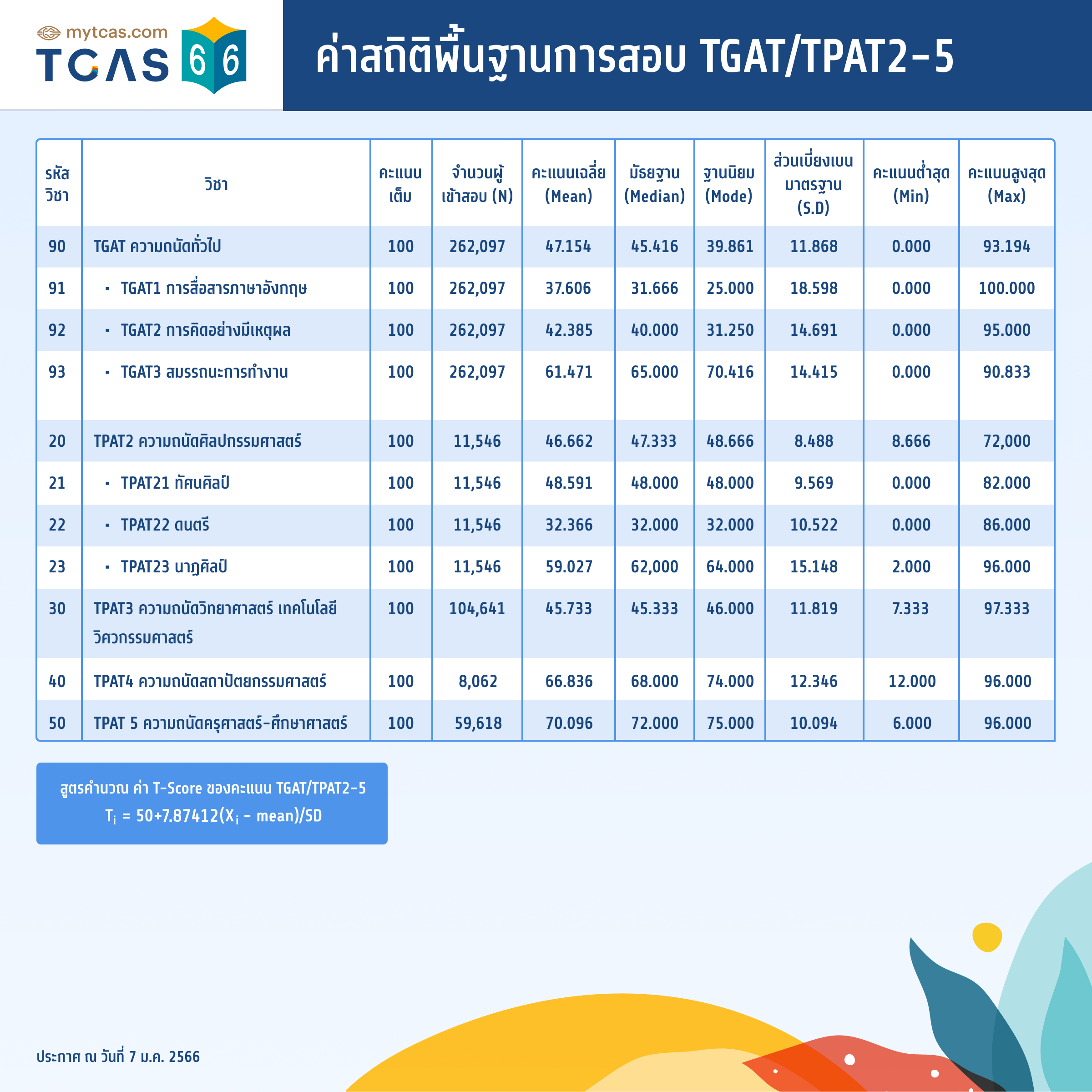
สมาคมที่ประชุมอธิการบดีแห่งประเทศไทย. (2567). ค่าสถิติพื้นฐานการสอบ TGAT/TPAT 2-5. https://assets.mytcas.com/66/T66-Stat-TGAT-TPAT.jpg
สำนักงานสภาพัฒนาการเศรษฐกิจและสังคมแห่งชาติ. (2562). ยุทธศาสตร์ชาติ ระยะ 20 ปี (2561-2580) (พิมพ์ครั้งที่ 2).
สำนักงานเลขานุการของคณะกรรมการยุทธศาสตร์ชาติ.
สำนักงานสภาพัฒนาการเศรษฐกิจและสังคมแห่งชาติ. (2565). แผนพัฒนาเศรษฐกิจและสังคมแห่งชาติ (พ.ศ. 2566-2570). http://www.nesdc.go.th/ewt_news.php?nid=13651
อาภรณ์ ใจเที่ยง. (2553). หลักการสอน (พิมพ์ครั้งที่ 5). โอเดียนสโตร์.
อารี พันธ์มณี. (2557). ฝึกให้คิดเป็นคิดให้สร้างสรรค์. สำนักพิมพ์แห่งจุฬาลงกรณ์มหาวิทยาลัย.
Anderson, D. R. (1957). การคิดเชิงสร้างสรรค์. https://www2.ocsc.go.th/sites/default/files/document/ocsc-2017-eb13.pdf
Barron, F. X. (1968). Creativity and personal freedom. Van Nostrand.
Berry, R. (2008). Assessment for learning. Hong Kong University Press.
Breckler, R. L. (1986). The social work dictation (3rd ed.). NASW Press.
Good, C. A. (1973). Dictionary of education. McGraw-Hill.
MacKinnon, D. W. (1962). The nature and nurture of creative thinking. American Psychologist, 17(7), 484-495. https://psycnet.apa.org/record/1990-97945-013
Torrance, P. E. (1965). Rewarding creative behavior. Prentice Hall.
Downloads
Published
How to Cite
Issue
Section
License
Copyright (c) 2025 มหาวิทยาลัยสุโขทัยธรรมาธิราช

This work is licensed under a Creative Commons Attribution-NonCommercial-NoDerivatives 4.0 International License.
1. ทรรศนะและข้อคิดเห็นใด ๆ ที่ปรากฏอยู่ในวารสาร ECT Education and Communication Technology Journal เป็นของผู้เขียนโดยเฉพาะ สำนักเทคโนโลยีการศึกษา มหาวิทยาลัยสุโขทัยธรรมาธิราช และกองบรรณาธิการไม่จำเป็นต้องเห็นพ้องด้วย
2. กองบรรณาธิการของสงวนลิขสิทธิ์ในการบรรณาธิการข้อเขียนทุกชิ้น เพื่อความเหมาะสมในการจัดพิมพ์เผยแพร่