
การพัฒนาคุณภาพและการออกแบบผลิตภัณฑ์ผ้าทอกี่เอว กลุ่มทอผ้ากะเหรี่ยงบ้านแม่ขนาด จังหวัดลำพูน
Article Sidebar
Main Article Content
บทคัดย่อ
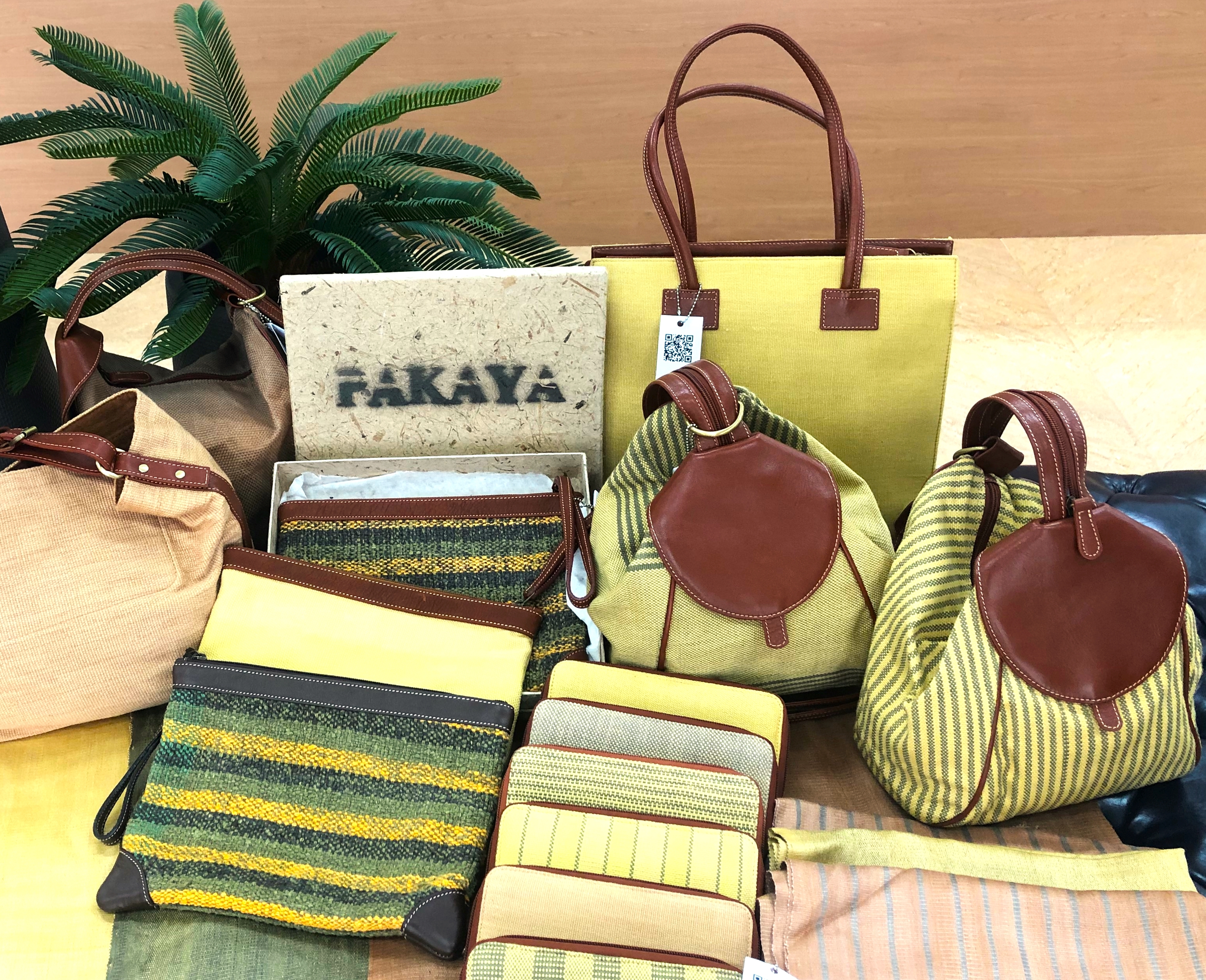
กลุ่มทอผ้ากะเหรี่ยงบ้านแม่ขนาด อำเภอแม่ทา จังหวัดลำพูน มีการออกแบบผลิตภัณฑ์ที่ไม่หลากหลาย และไม่สามารถเพิ่มมูลค่าผลิตภัณฑ์ งานวิจัยนี้จึงดำเนินการพัฒนาคุณภาพและการออกแบบผลิตภัณฑ์ผ้าทอกี่เอวเพื่อให้มีมูลค่าเพิ่มขึ้น โดยใช้กระบวนการวิจัยเชิงปฏิบัติการแบบมีส่วนร่วม การเก็บรวบรวมข้อมูลโดยการสัมภาษณ์เชิงลึก และการลงมือปฏิบัติ ตัวแทนของชุมชนที่เข้ารับการพัฒนาประกอบด้วย ผู้นำกลุ่มและสมาชิกกลุ่มทอผ้ากะเหรี่ยงบ้านแม่ขนาด จำนวน 16 คน โดยใช้กระบวนการ 5 ขั้นตอน ได้แก่ 1) การสร้างการรับรู้และการยอมรับร่วมกัน 2) กำหนดแนวทางการออกแบบผลิตภัณฑ์ 3) การจัดทำผลิตภัณฑ์ต้นแบบและพัฒนารูปแบบผลิตภัณฑ์ 4) การกำหนดกลยุทธ์การตลาดผลิตภัณฑ์ และ 5) การจัดกิจกรรมทางการตลาด และทดลองจัดจำหน่ายผลิตภัณฑ์ ผลการดำเนินการพบว่า ผลิตภัณฑ์ผ้าทอกี่เอวได้รับการเพิ่มมูลค่า ตั้งแต่กระบวนการขั้นต้นน้ำที่เริ่มด้วยการคัดสรรวัตถุดิบเส้นใยไหมอีรี่ย้อมสีธรรมชาติแทนเส้นใยฝ้ายสังเคราะห์ย้อมสีเคมี กระบวนการขั้นกลางน้ำ ด้วยการพัฒนาสี ลวดลายผ้า การออกแบบผลิตภัณฑ์ใหม่ ได้แก่ กระเป๋าสตรีเส้นไหมอีรี่ย้อมสีธรรมชาติประกอบวัสดุหนังแท้หลากหลายรูปแบบ กระเป๋าเอกสาร กระเป๋าใส่โน้ตบุ๊ค กระเป๋าใส่โทรศัพท์สมาร์ทโฟน และกระบวนการขั้นปลายน้ำ ด้วยกลยุทธ์การตลาดการสร้างตรา “PAKAYA Collection” และการสื่อสารทางการตลาดอิเล็กทรอนิกส์ ส่งผลให้กลุ่มมีรายได้เพิ่มขึ้นร้อยละ 50-80 ชุมชนเกิดองค์ความรู้ในการพัฒนารูปแบบผลิตภัณฑ์ใหม่ และเกิดเครือข่ายพันธมิตรกระบวนการผลิตในขั้นการพัฒนาเส้นใยไหมอีรี่ย้อมสีธรรมชาติ การออกแบบผลิตภัณฑ์ และการตลาดอิเล็กทรอนิกส์ก่อให้เกิดการพัฒนาที่ยั่งยืนในอนาคต
Article Details

อนุญาตภายใต้เงื่อนไข Creative Commons Attribution-NonCommercial-NoDerivatives 4.0 International License.
Area Based Development Research Journal values copyright protection and licensing to safeguard author rights and facilitate the appropriate dissemination of research. Our policies ensure openness, accessibility, and attribution. Authors retain copyright ownership, and articles are published under a Creative Commons Attribution License (CC BY), allowing sharing, adaptation, and proper attribution. Authors have the freedom to publish under the CC BY license, granting broad reuse and distribution permissions. The journal supports posting articles on third-party repositories, adhering to institutional and funding restrictions. Author guidelines detail copyright and licensing requirements, empowering authors with knowledge about their rights and responsibilities. These policies cultivate an environment of collaboration, openness, and responsible sharing, benefiting authors and the research community while honoring intellectual property rights.
เอกสารอ้างอิง
Ansoff, H. I., Sullivan, P. A., Antoniou, P., Chabane, H., Djohar, S., Jaja, R., & Wang, P. (1993). Empirical proof of a paradigmic theory of strategic success behaviors of environment serving organizations. International Review of Strategic Management, 4(9), 173-203.
Both, T. (2020). Design Thinking bootcamp bootleg. Stanford d. school. Retrieved February 8, 2022, from: https://dschool.stanford.edu/resources/the-bootcamp-bootleg.
Dachakupt, P. (2014). Learning in the 21st Century. Bangkok: Chulalongkorn University Press. (in Thai).
Keawpan, T., Itsaranuwat, S., & Plangnok, J. (2020). Principles and concepts in product design. Journal of Humanities and Social Sciences Surin Rajabhat University, 22(2), 161-182. (in Thai).
Kaewpilarom, T. (2016). The development of woman bag from Morhom fabric by twill weave. Fine Arts Journal Srinakharinwirot University, 20(1), 80–87. (in Thai).
Parmotmuang, M. (2021). Packaging design and development of contemporary products from the culture of ethnic Tai-Yuan: A case study of Tai-Yuan native textile, Saraburi province. Area Based Development Research Journal, 13(5), 343–356. (in Thai).
Rattanaphaisankit, R., Lerttevasiri, P., & Phrompan, I. (2021). A learning management guideline based on design thinking process for creating local product. Fine Arts Journal: Srinakharinwirot University, 25(1), 119-136. (in Thai).
Thailand Textile Institute. (2018). Guidelines for design and development of textile products to value-added under textile product development and Muslim clothing project in the southern border provinces to meet the ASEAN market demand (Phase 2). Thai Textile and Fashion Outlook, 27, 4-7. (in Thai).
