Factors Related to Chinese Learning Motivation among Upper Secondary School Students in Koh Lanta District, Krabi Province
DOI:
https://doi.org/10.14456/psruhss.2026.5Keywords:
Motivation, Internal factors, External factors, Chinese language, Upper secondary students, Koh lanta districtAbstract
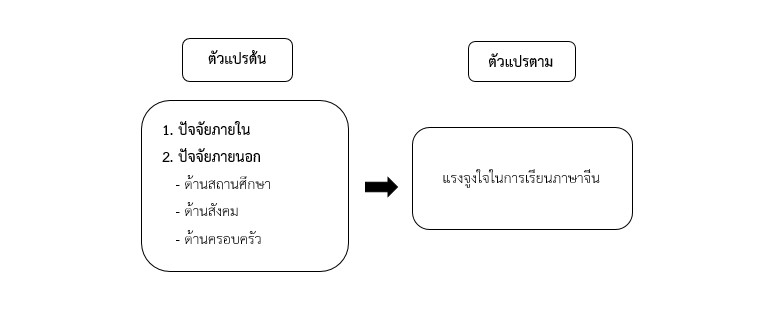
This study aimed to investigate the internal and external factors related to Chinese learning motivation among upper secondary school students in Koh Lanta District, Krabi Province, and to synthesize guidelines for improving Chinese language instruction in accordance with the local context and learners’ potential. A mixed-methods research design was employed. The participants consisted of 178 upper secondary school students from three schools in Koh Lanta District, Krabi Province. Data were collected through a census survey. The research instruments included a questionnaire on factors related to Chinese learning motivation and a semi-structured interview. Data were analyzed using descriptive statistics, including percentage, mean, and standard deviation.
The findings revealed that the overall level of factors related to Chinese learning motivation was high (x̄ = 3.69), with internal factors receiving a higher mean score than external factors. The three highest-rated internal factors were the desire to obtain a good career in the future, the desire to challenge oneself with new experiences, and interest in Chinese movies and television series. Regarding external factors, social factors received the highest mean score, followed by educational factors and family factors, respectively. The interview results indicated that students perceived Chinese language proficiency as beneficial for increasing employment opportunities in the tourism and service sectors of Koh Lanta. In addition, interest in Chinese entertainment media was found to be an important source of learning motivation. Based on these findings, it is recommended that Chinese language instruction be connected with the local tourism context, contemporary media, and authentic language use in real-life situations.
References
กัว ซู่ เฟิ่น และรัตนะ ปัญญาภา. (2567). ปัจจัยที่มีผลต่อแรงบันดาลใจในการเลือกเรียนภาษาจีนของนักเรียนโรงเรียนนารีนุกูล. วารสารการบริหารการปกครองและนวัตกรรมท้องถิ่น, 8(1), 63–74. https://doi.org/10.14456/jlgisrru.2024.5
ชิวหยิง วู และพิมพ์อุไร ลิมปพัทธ์. (2567). ปัจจัยที่มีผลต่อแรงจูงใจในการเรียนภาษาจีนของนักเรียนมัธยมศึกษาตอนต้น โรงเรียนพนัสพิทยาคาร จังหวัดชลบุรี. วารสารวิจยวิชาการ, 7(3), 177–192. https://doi.org/10.14456/jra.2024.68
ชุติมา เข็มเจริญ และปริญญา มงคลพาณิชย์. (2568). การศึกษาแรงจูงใจที่มีผลต่อการเรียนภาษาจีนของนักเรียน โรงเรียนสาธิตแห่งมหาวิทยาลัยธรรมศาสตร์. วารสารวิจยวิชาการ, 9(2), 155–175. https://doi.org/10.14456/jra.2026.36
ทัศนีย์ ชาติไทย. (2555). แรงจูงใจและความต้องการในการศึกษาต่อระดับบัณฑิตศึกษา (รายงานวิจัย). กรุงเทพฯ: มหาวิทยาลัยธุรกิจบัณฑิตย์.
ธนาวดี ปิ่นประชานันท์, ชมพูนุท ภาณุภาส และจุฑาธิปต์ จันทร์เอียด. (2565). การพัฒนากิจกรรมการท่องเที่ยวเชิงสร้างสรรค์เพื่ออนุรักษ์วัฒนธรรมกลุ่มชาติพันธุ์อูรักลาโวยจ ในพื้นที่เกาะลันตา จังหวัดกระบี่. วารสารศิลปการจัดการ, 6(3), 1348-1368.
นริศ วศินานนท์. (2559). การศึกษาสภาพการจัดการเรียนการสอนภาษาจีนระดับอุดมศึกษาในประเทศไทย. วารสารจีนศึกษามหาวิทยาลัยเกษตรศาสตร์, 9(2), 263-287.
ปุนญิศา คงทน. (2561). สภาพและปัจจัยที่ทำให้เกิดผลกระทบต่อแรงจูงใจในการเรียนภาษาจีนของนักเรียนไทยที่ประเทศจีน. วารสารวิชาการมหาวิทยาลัยอีสเทิร์นเอเชีย ฉบับสังคมศาสตร์และมนุษยศาสตร์, 8(1), 23-29.
แพรวา รัตนทยา. (2564). แรงจูงใจและกลวิธีการเรียนภาษาจีนของนักศึกษามหาวิทยาลัยแม่โจ้. วารสารการจัดการและพัฒนาท้องถิ่น มหาวิทยาลัยราชภัฏพิบูลสงคราม, 1(1), 1-9.
ภัทรภณ ศิลารักษ์. (2564). การปรับตัวบทบาทภาษาจีนภายใต้บริบทวิถีชีวิตปกติใหม่ในยุคศตวรรษที่ 21. วารสารวิชาการภาษาและวัฒนธรรมจีน, 8(1), 61-71.
ยุพกา ฟูกุชิม่า, กนกพร นุ่มทอง และสร้อยสุดา ณ ระนอง. (2556). ความนิยมในการเรียนภาษาญี่ปุ่นและภาษาจีนของนิสิตมหาวิทยาลัยเกษตรศาสตร์: แรงจูงใจแตกต่างกันอย่างไร. วารสารญี่ปุ่นศึกษา, 30(1), 27-40.
เยาวลักษณ์ วิสุทธิ์สิริ, มนาภรณ์ บ้านเพิง และอัสมา ทรรศนะมีลาภ. (2564). การพัฒนาทักษะการพูดภาษาจีนโดยใช้กิจกรรมบทบาทสมมติกรณีศึกษาจากวิทยาลัยนานาชาติ วิทยาเขตสุราษฎร์ธานี มหาวิทยาลัยสงขลานครินทร์. วารสารครุศาสตร์อุตสาหกรรม, 20(3), 112-121. https://so06.tci-thaijo.org/index.php/umt-poly/article/view/256321
วรทา รุ่งบานจิต, วราลี รุ่งบานจิต, วรนาถ แซ่เซ่น, วรากร แซ่พุ่น และภากร นพฤทธิ์. (2559). แรงจูงใจในการเรียนวิชาภาษาจีนของนักศึกษามหาวิทยาลัยราชภัฏยะลา (รายงานวิจัย). ยะลา: มหาวิทยาลัยราชภัฏยะลา.
ศุภิกา นิรัติศัย. (2561). ทัศนคติ แรงจูงใจ และพฤติกรรมการเรียนภาษาอังกฤษของนักศึกษามหาวิทยาลัยราชภัฏภูเก็ต. วารสารมนุษยศาสตร์และสังคมศาสตร์, 9(2), 138-170.
สุภัทรา โยธินศิริกุล. (2560). การศึกษาเหตุผลในการเลือกเรียนและทัศนคติที่มีต่อการเรียนภาษาจีนกลางของนักศึกษามหาวิทยาลัยแม่โจ้. วารสารสุทธิปริทัศน์, 31(97), 63-75.
เหว๋ย อู๋ และวัลลภา เฉลิมวงศาเวช. (2565). ปัจจัยที่มีผลต่อแรงจูงใจในการเรียนวิชาภาษาจีนของนักเรียนโรงเรียนเอกชนสองภาษา ก. วารสารศิลปากรศึกษาศาสตร์วิจัย, 14(1), 408-422.
Deci, E. L., & Ryan, R. M. (1985). Intrinsic Motivation and Self-Determination in Human Behavior. New York: Plenum Press. http://dx.doi.org/10.1007/978-1-4899-2271-7
Dornyei, Z. (2001). Motivational Strategies in the Language Classroom. Cambridge: Cambridge University Press. http://dx.doi.org/10.1017/CBO9780511667343
Dornyei, Z. (2005). The Psychology of the Language Learner: Individual Differences in Second Language Acquisition. Mahwar, NJ: Lawrence Erlbaum.
Gardner, R. C. (1985). Social Psychology and Second Language Learning: The Role of Attitudes and Motivation. London: Edward Arnold. https://doi.org/10.1037/h0083787
Likert, R. (1932). A Technique for the Measurement of Attitudes. Archives of Psychology, 22(140), 1-55.
Lin, J., & Li, C. (2021). Characterizing English Language Literacy among Famous English Language Educators in China. Arab World English Journal, 12(1), 229-238. https://dx.doi.org/10.24093/awej/vol12no1.16
Ryan, R. M., & Deci, E. L. (2000). Intrinsic and Extrinsic Motivations: Classic Definitions and New Directions. Contemporary Educational Psychology, 25(1), 54-67. https://doi.org/10.1006/ceps.1999.1020
Downloads
Published
How to Cite
Issue
Section
License
Copyright (c) 2026 Humanities and Social Sciences Journal of Pibulsongkram Rajabhat University

This work is licensed under a Creative Commons Attribution-NonCommercial-NoDerivatives 4.0 International License.
Any articles or comments appearing in the Journal of Humanities and Social Sciences, Rajabhat Phibulsongkram University, are the intellectual property of the authors, and do not necessarily reflect the views of the editorial board. Published articles are copyrighted by the Journal of Humanities and Social Sciences, Rajabhat Phibulsongkram University.