The cultural tourism route patterns in Muang District, Nan Province, affecting tourists' services intention through digital marketing communication
DOI:
https://doi.org/10.14456/psruhss.2025.28Keywords:
Cultural tourism route patterns, Digital marketing communication, Tourists’ intention to use servicesAbstract
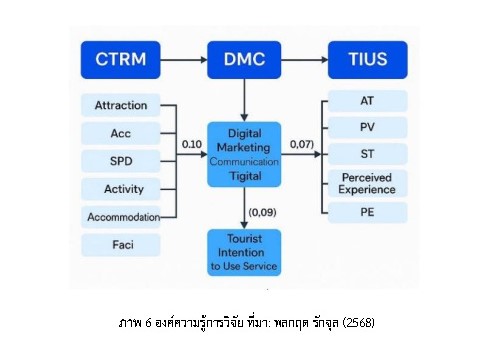
This study aimed to (1) examine the patterns of cultural tourism routes in Mueang District, Nan Province, that influence tourists’ intention to use services, (2) investigate the routes that affect digital marketing communication, (3) study the impact of digital marketing communication on tourists’ intention to use services, and (4) explore how cultural tourism routes influence tourists’ intention to use services through digital marketing communication. This research employed a quantitative approach, with a sample group of 300 tourists who traveled to Mueang District, Nan Province. The results revealed that the most popular cultural tourism routes are those that connect key cultural attractions such as Wat Phumin, Wat Phra That Khao Noi, the Nan National Museum, and the old town area. These routes effectively reflect the region’s historical identity, local way of life, and cultural heritage. When presented through digital marketing media such as social media platforms, tourism websites, and promotional videos—these routes significantly enhance tourists’ interest and intention to use services, particularly when the content incorporates storytelling techniques, high-quality images and videos, and encourages user engagement Moreover, the study found that consistent communication, the credibility of information sources, and content that is aligned with authentic experiences play crucial roles in building tourists’ trust and intention to use services. Based on the findings, it is recommended that collaboration be strengthened among tourism authorities, local communities, and entrepreneurs to develop digital media that authentically represents local identity and to implement systematic communication strategies. These efforts will help promote sustained tourist engagement and service utilization within cultural tourism routes.
References
กระทรวงการท่องเที่ยวและกีฬา. (2548). แผนแม่บทการพัฒนาการท่องเที่ยวเชิงวัฒนธรรมของประเทศไทย. กรุงเทพฯ: สำนักงานปลัดกระทรวงการท่องเที่ยวและกีฬา.
กัลยา วานิชย์บัญชา. (2545). การวิเคราะห์สถิติ: สถิติสำหรับการวิจัย. กรุงเทพฯ: จุฬาลงกรณ์มหาวิทยาลัย.
เกศศิริ นวลใยสวรรค์. (2565). กลยุทธ์การสื่อสารทางการตลาดดิจิทัลของธุรกิจออนไลน์. วารสารการตลาดยุคใหม่, 12(3), 44–58.
ณฐวัฒน์ พระงาม. (2566). ปัจจัยที่มีผลต่อความตั้งใจใช้บริการแพลตฟอร์มธุรกิจสตรีมมิ่งออนไลน์ของลูกค้าในจังหวัดพิษณุโลก. วารสารวิจัยวิทยาการจัดการ มหาวิทยาลัยราชภัฏสุรินทร์, 7(3), 82-95.
ณภัทรกาญจน์ ใบบัว. (2568). พฤติกรรมการใช้สื่อดิจิทัลและปัจจัยด้านสื่อดิจิทัลทางการตลาดที่มีผลต่อการตัดสินใจท่องเที่ยวเชิงวัฒนธรรมของนักท่องเที่ยวในเขตพื้นที่อำเภอศรีราชา จังหวัดชลบุรี. Mahachula Academic Journal, 12(1).
ณภัทรกาญจน์ ใบบัว. (2568). พฤติกรรมการใช้สื่อดิจิทัลและปัจจัยด้านสื่อดิจิทัลทางการตลาดที่มีผลต่อการตัดสินใจท่องเที่ยวเชิงวัฒนธรรมของนักท่องเที่ยวในเขตพื้นที่ อำเภอศรีราชา จังหวัดชลบุรี (วิทยานิพนธ์ปริญญามหาบัณฑิต). ชลบุรี: มหาวิทยาลัยบูรพา.
ณัฐพงษ์ ปัญญาวัฒน์ และสุภาวดี อินทรักษ์. (2566). รูปแบบการบริหารจัดการการท่องเที่ยวเชิงวัฒนธรรมในจังหวัดภาคเหนือ. วารสารวิชาการการท่องเที่ยวไทย, 18(1), 25–39.
ทัศนียา กิตติภาคย์พฤทธ์, ฑัตษภร ศรีสุข และอัศนีย์ ณ น่าน. (2064). พฤติกรรมนักท่องเที่ยวและปัจจัยส่วนประสมการตลาดบริการที่มีผลต่อการตัดสินใจท่องเที่ยวแหล่งท่องเที่ยวเชิงวัฒนธรรมในจังหวัดลำปาง. วารสารวิจัยมหาวิทยาลัยเวสเทิร์นมนุษยศาสตร์และสังคมศาสตร์, 6(3), 72-84.
ธนกร ลิ้มศรัณย์. (2561). การสื่อสารการตลาดดิจิทัลในยุค 4.0. กรุงเทพฯ: สื่อสากล.
ธนกร ลิ้มศรัณย์. (2561). การสื่อสารทางการตลาดดิจิทัลสู่การใช้บริการแอปพลิเคชันรถยนต์รับจ้างในกรุงเทพมหานคร ประเทศไทย. Journal of Business Administration the Association of Private Higher Education Institutions of Thailand, 7(1), 90-101.
นฤดม ต่อเทียนชัย และวิชิต อู่อ้น. (2567). การสร้างแบบจําลองของการสื่อสารการตลาดดิจิทัลแบบบูรณาการกับการตัดสินใจซื้อ. วารสาร มจร การพัฒนาสังคม, 9(1), 43-57.
นิตินันท์ ศรีสุวรรณ และปุริปุญญวิทย์ ธนนาถเชาวรินทร์. (2568). การส่งเสริมการตลาดการท่องเที่ยวเชิงสร้างสรรค์ด้วยเทคโนโลยีเพื่อพัฒนาเศรษฐกิจชุมชนในจังหวัดอุทัยธานี. วารสารวิชาการการท่องเที่ยวไทยนานาชาติ, 21(1), 77-102.
นุชนารถ รัตนสุวงศ์ชัย. (2554). การท่องเที่ยวเชิงวัฒนธรรม: แนวคิดและการพัฒนา. กรุงเทพฯ: จุฬาลงกรณ์มหาวิทยาลัย.
ปวันรัตน์ ตรีพจนา, ฉัตรชัย อินทสังข์ และปิยมาภรณ์ เทียมจิตร. (2563). อิทธิพลของสื่อสังคมออนไลน์ที่มีต่อ
ความพึงพอใจของลูกค้าตลาดนัดเซฟวันจังหวัดนครราชสีมา. Journal of Liberal Arts and Management Science Kasetsart University, 7(1), 1-12.
ปิยะนุช สินันตา. (2567). การสื่อสารการตลาดแบบบูรณาการร่วมสมัยเพื่อส่งเสริมการท่องเที่ยวเชิงนิเวศและวัฒนธรรมในเขตพื้นที่สูงจังหวัดน่าน. Academic Journal of Humanities and Social Sciences Burapha University, 32(2), 47-64.
ปิยะบุตร โกศลกิตติพงศ์. (2565). แนวทางการสื่อสารทางการตลาดดิจิทัลเพื่อสร้างแบรนด์. วารสารนวัตกรรมการจัดการ, 6(2), 21–35.
พรชนก เหลืองอ่อน. (2559). การรับรู้ภาพลักษณ์การท่องเที่ยวที่ส่งผลต่อความตั้งใจเดินทางไปท่องเที่ยวไต้หวันของนักท่องเที่ยวชาวไทยในเขตกรุงเทพมหานคร (การค้นคว้าอิสระปริญญามหาบัณฑิต). กรุงเทพฯ: มหาวิทยาลัยกรุงเทพ.
พลกฤต รักจุล. (2565). อิทธิพลของสมรรถนะผู้บริหารที่ส่งผลต่อการมีส่วนร่วมของชุมชนในมุมมองของผู้บริหารธุรกิจฟาร์มวันหยุดเขตพื้นที่การท่องเที่ยวพิเศษ จังหวัดน่าน. Journal of Management Science Chiangrai Rajabhat University, 17(1), 43-66.
ภาคภูมิ สุวรรณวงศ์. (2567). การสื่อสารทางการตลาดดิจิทัลกับความตั้งใจใช้บริการของนักท่องเที่ยวในภาคเหนือ. วารสารการจัดการและนวัตกรรม, 9(2), 55–70.
ยุบุญ พฤหัสไพลิน. (2567). ปัจจัยที่ส่งผลต่อความสำเร็จในการสร้างองค์กรแห่งความเป็นเลิศของบุคลากรโรงพยาบาลพระปกเกล้าจังหวัดจันทบุรี. วารสารสหวิทยาการและความยั่งยืนปริทรรศน์ไทย, 13(1), 14-25.
รณิดา กรพิทักษ์. (2568). พฤติกรรมของลูกค้าและการรับรู้ผลประโยชน์ส่งผลต่อความผูกพันในชุมชนแบรนด์ออนไลน์ บนเฟซบุ๊กแฟนเพจของธุรกิจเครื่องใช้ไฟฟ้าในครัวเรือน (วิทยานิพนธ์ปริญญามหาบัณฑิต). กรุงเทพฯ: มหาวิทยาลัยกรุงเทพ.
ฤดี หลิมไพโรจน์ และไกรฤกษ์ ปิ่นแก้ว. (2558). อิทธิพลของการรับรู้ภาพลักษณ์และความพึงพอใจของนักท่องเที่ยวที่ส่งผลต่อการกลับมาท่องเที่ยวซ้ำของนักท่องเที่ยวที่จังหวัดปทุมธานี. ใน การประชุมวิชาการและนำเสนอผลการวิจัยระดับชาติและนานาชาติ กลุ่มระดับชาติ ด้านมนุษยศาสตร์และสังคมศาสตร์. กรุงเทพฯ: มหาวิทยาลัยราชภัฏสวนสุนันทา.
วุฒิชาติ สุนทร สมัย. (2566). รูปแบบความสัมพันธ์เชิงสาเหตุของกลยุทธ์ส่วนประสมการตลาดและการรับรู้ภาพลักษณ์และต่อความตั้งใจเดินทางกลับมาเที่ยวซ้ำที่แหล่งท่องเที่ยวเชิงนิเวศของนักท่องเที่ยวในจังหวัดนครนายก. วารสารวิจัยวิชาการ, 6(4), 163-220.
ศิราณี ขำคม. (2566). แนวทางการพัฒนาการท่องเที่ยวเชิงวัฒนธรรมในพื้นที่ประวัติศาสตร์. วารสารวิชาการการท่องเที่ยว, 20(1), 25–40.
สำนักงานจังหวัดน่าน. (2567). แผนพัฒนาจังหวัดน่าน พ.ศ. 2566–2570. จังหวัดน่าน: สำนักงานจังหวัดน่าน.
สินิทรา สุขสวัสดิ์. (2567). แนวทางการพัฒนาแหล่งท่องเที่ยวเชิงวัฒนธรรมในภาคเหนือตอนบนของไทย. วารสารวิจัยท้องถิ่น, 8(1), 20–35.
สุจิตรา ศรีสุธรรม. (2565). การพัฒนาเส้นทางการท่องเที่ยวชุมชนอย่างยั่งยืนในเขตภาคเหนือของประเทศไทย. วารสารการพัฒนาท้องถิ่น, 14(2), 85–99.
สุทิน โรจน์ประเสริฐ. (2566). เทคโนโลยีกับพฤติกรรมผู้บริโภคในยุคดิจิทัล. วารสารเศรษฐศาสตร์และบริหารธุรกิจ, 18(2), 90–105.
สุพาดา สิริกุตตา. (2557). การศึกษาการเปิดเผยข้อมูลการบัญชีความรับผิดชอบต่อสังคมของบริษัทจดทะเบียนในตลาดหลักทรัพย์แห่งประเทศไทย. Srinakharinwirot Research and Development Journal of Humanities and Social Sciences, 6(12), 138-148.
สุรสิทธิ์ อุดมธนวงศ์. (2562). พฤติกรรมผู้บริโภคยุคดิจิทัล. กรุงเทพฯ: ซีเอ็ดยูเคชั่น.
แสงรวี เกตุสุวรรณ. (2563). องค์ประกอบการจัดการการท่องเที่ยวเชิงวัฒนธรรมในพื้นที่อนุรักษ์. วารสารวิชาการมนุษยศาสตร์และสังคมศาสตร์, 12(2), 112–127.
อัจฉรา เมฆสุวรรณ. (2566). กลยุทธ์การตลาดออนไลน์ในธุรกิจแฟชั่น. วารสารการตลาดดิจิทัล, 14(4), 26–40.
อาทิตยา มณฑล และณัฐนรี สมิตร. (2567). ปัจจัยที่ส่งผลต่อความตั้งใจของนักท่องเที่ยวชาวไทย ในการท่องเที่ยวเมืองแห่งวิทยาการอาหาร. วารสารศิลปศาสตร์ราชมงคลสุวรรณภูมิ, 6(2), 401-415.
อุดม สมบูรณ์ผล, พิชญรดา เรืองภักดี, จิรศักดิ์ จิยะจันทน์, กฤตศิกาญจน์ ธีรโชคสวัสดิ์ และสุภามาศ สนิทประชากร. (2568). โครงสร้างความสัมพันธ์ของการพัฒนาผลิตภัณฑ์การสร้างมูลค่าเพิ่มความพึงพอใจในการตัดสินใจเลือกซื้อผลิตภัณฑ์ทุเรียนแปรรูปของผู้ประกอบการไทยมุ่งสู่ความสำเร็จในกรุงเทพมหานครและปริมณฑล. วารสารวิจัยมหาวิทยาลัยเวสเทิร์น มนุษยศาสตร์และสังคมศาสตร์, 11(1), 237-252.
Ajzen, I. (1991). The theory of planned behavior. Organizational Behavior and Human Decision Processes, 50(2), 179–211.
Boonyapak, S. (1986). Tourism development in Thailand: Cultural perspectives. Bangkok: Thai Tourism Press.
Brown, T. A. (2015). Confirmatory factor analysis for applied research (2nd ed.). New York: Guilford Press.
Byrne, B. M. (2010). Structural equation modeling with AMOS: Basic concepts, applications, and programming (2nd ed.). New York: Routledge.
Chen, C.-F., & Tsai, D. (2007). How destination image and evaluative factors affect behavioral intentions. Tourism Management, 28(4), 1115–1122.
Choe, J. Y., & Kim, S. S. (2020). Effects of tourists’ local food consumption value on attitude, food destination image, and behavioral intention. International Journal of Hospitality Management, 83, 102340.
Dickman, S. (1996). Tourism: An introductory text. Sydney: McGraw-Hill Education.
Dumlag, K., Prangjarearnsre, K., Sreprajan, V., & Phangniran, B. (2015). Antecedents affecting on tourists’ destination loyalty of Phuket province. Journal of the Association of Researchers, 20(2), 81-93.
Gallarza, M. G., & Saura, I. G. (2006). Value dimensions, perceived value, satisfaction and loyalty: An investigation of university students’ travel behavior. Tourism Management, 27(3), 437–452.
Ghaisani, C. O., & Afifi, S. (2022). The implementation of digital marketing communication strategy in cultural tourism: a case study in Yogyakarta. The Indonesian Journal of Communication Studies, 15(1), 66. https://doi.org/10.31315/ijcs.v15i1.6095
Hair, J. F., Black, W. C., Babin, B. J., & Anderson, R. E. (2010). Multivariate data analysis (7th ed.). Upper Saddle River, NJ: Pearson Education.
Hu, L., & Bentler, P. M. (1999). Cutoff criteria for fit indexes in covariance structure analysis: Conventional criteria versus new alternatives. Structural Equation Modeling: A Multidisciplinary Journal, 6(1), 1–55.
Keller, K. L. (2009). Building strong brands in a modern marketing communications environment. Journal of Marketing Communications, 15(2–3), 139–155.
Kline, R. B. (2016). Principles and practice of structural equation modeling (4th ed.). The Guilford Press.
Kotler, P., & Keller, K. L. (2016). Marketing management (15th ed.). Pearson Education.
Phumma, A., Namahoot, K. S., & Rachapradit, P. (2020). Behavioral intention in using online services: An integrated approach. Journal of Business and Management, 8(2), 45–57.
Rovinelli, R. J., & Hambleton, R. K. (1977). On the use of content specialists in the assessment of criterion-referenced test item validity. Journal of Educational Measurement, 14(1), 15–22.
Sanusi, N., Triansyah, F. A., Muhammad, I., & Susanti, S. (2023). Analisis bibliometrik: Penelitian communication skills pada pendidikan tinggi. JIIP-Jurnal Ilmiah Ilmu Pendidikan, 6(3), 1694-1701.
Schumacker, R. E., & Lomax, R. G. (2016). A beginner’s guide to structural equation modeling (4th ed.). Routledge.
Downloads
Published
How to Cite
Issue
Section
License
Copyright (c) 2025 Humanities and Social Sciences Journal of Pibulsongkram Rajabhat University

This work is licensed under a Creative Commons Attribution-NonCommercial-NoDerivatives 4.0 International License.
Any articles or comments appearing in the Journal of Humanities and Social Sciences, Rajabhat Phibulsongkram University, are the intellectual property of the authors, and do not necessarily reflect the views of the editorial board. Published articles are copyrighted by the Journal of Humanities and Social Sciences, Rajabhat Phibulsongkram University.