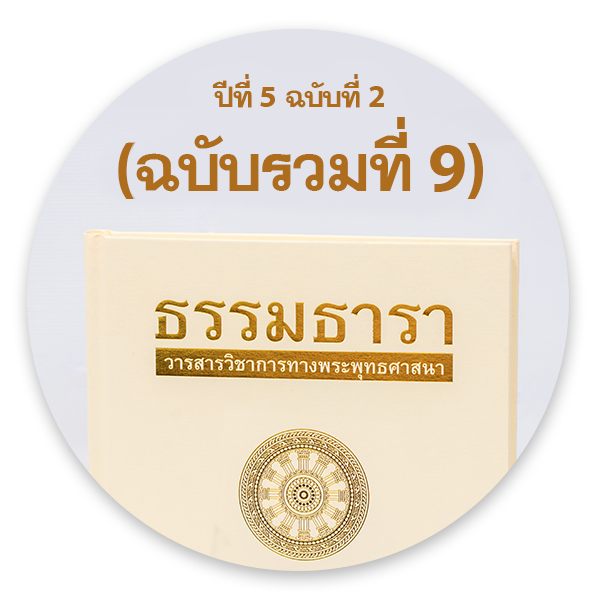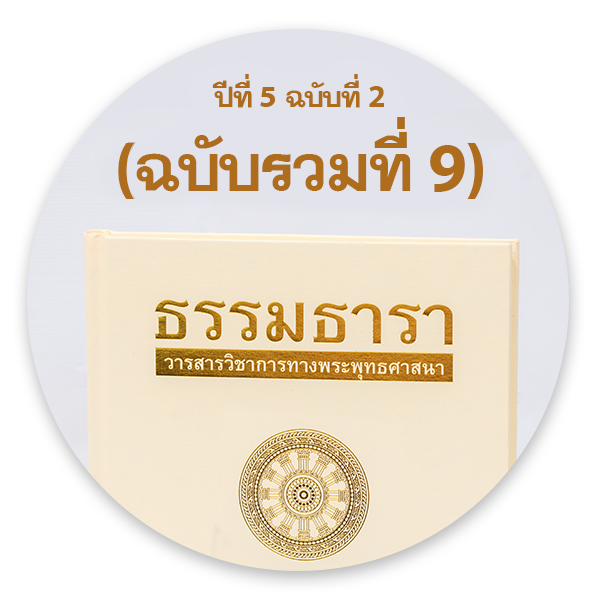
ในวารสารธรรมธาราฉบับนี้ ท่านผู้อ่านจะได้พบกับบทความพระพุทธศาสนาเชิงวิชาการที่ประกอบด้วย บทความแปลของผู้ทรงคุณวุฒิจากประเทศญี่ปุ่น บทความวิชาการที่มีความหลากหลายมุมมองจากทัศนะผู้เขียนที่มีความรู้ทั้งภาคภาษาจีน ภาษาต่างประเทศอื่นๆ อันน่าสนใจติดตามยิ่งพระพุทธศาสนาในโลกปัจจุบัน แบ่งเป็น 3 นิกายใหญ่ คือ
1. พระพุทธศาสนาเถรวาท เจริญรุ่งเรืองอยู่ในประเทศไทย ศรีลังกา เมียนมาร์ ลาว กัมพูชา เป็นต้น
2. พระพุทธศาสนามหายาน ในประเทศจีน ญี่ปุ่น เกาหลี ไต้หวัน เวียดนาม เป็นต้น
3. พระพุทธศาสนาวัชรยาน ในทิเบตและมองโกเลีย
การกำเนิดพระพุทธศาสนามหายานเป็นเรื่องที่มีการศึกษา วิเคราะห์ และถกเถียงกันมายาวนานหลายร้อยปี มีทฤษฎีแหล่งกำเนิดมหายานหลายทฤษฎี เช่น ทฤษฎีที่ว่ามหายานมาจากนิกายมหาสังฆิกะทฤษฎีที่ว่ามหายานมาจากกลุ่มพุทธฆราวาสที่รวมตัวบูชาเจดีย์ ทฤษฎีที่ว่าในช่วงเริ่มต้น มหายานอยู่รวมกับเถรวาทในวัดเดียวกัน เป็นต้น บทความเรื่อง “แนวโน้มและพัฒนาการทฤษฎีการกำเนิดของพระพุทธศาสนามหายาน (2)” โดย ศาสตราจารย์ ดร.ซาซากิ ชิซุกะ ซึ่ง พระมหาพงศ์ศักดิ์ ฐานิโย, ดร. ได้แปลมาเป็นภาษาไทย ได้ให้แง่คิดมุมมองใหม่ๆ ที่แหลมคมต่อทฤษฎีกำเนิดมหายาน ผู้สนใจไม่ควรพลาด
“การตรวจชำระและศึกษาพุทธานุสสติในคัมภีร์จตุรารักขาอรรถกถาบาลี” โดย ดร.สุปราณี พณิชยพงศ์ เป็นแบบอย่างของการตรวจชำระคัมภีร์บาลีที่ดี และแสดงให้เห็นถึงความสนใจอย่างกว้างขวางในการปฏิบัติกรรมฐานแบบพุทธานุสสติตามหลักคัมภีร์จตุรารักขานี้ ในประเทศไทย ศรีลังกา เมียนมาร์ กัมพูชา เป็นต้น มาแต่โบราณกาล
“คาถาชาดกพากษ์จีนที่มีความสอดคล้องกับชาดกบาลี: ศึกษาวิเคราะห์เปรียบเทียบ” โดย ชาคริต แหลมม่วง เป็นผลงานวิจัยที่สำคัญชิ้นหนึ่งซึ่งแสดงให้เห็นว่า การศึกษาเปรียบเทียบคัมภีร์คู่ขนานในภาษาต่างๆ เช่น ภาษาบาลี ภาษาจีน ภาษาสันสกฤต ภาษาทิเบต เป็นต้น ช่วยให้เรามองเห็นพัฒนาการของคัมภีร์ และช่วยในการตรวจชำระคัมภีร์ได้อย่างมาก แต่ทั้งนี้ผู้วิจัยจะต้องมีความรู้ความสามารถในภาษาต่างๆ ที่ทรงไว้ซึ่งพระคัมภีร์เป็นอย่างดี
มิลินทปัญหา เป็นคัมภีร์พระพุทธศาสนาที่สำคัญยิ่งคัมภีร์หนึ่ง พระไตรปิฎกบาลีของพม่าถึงกับจัดคัมภีร์มิลินทปัญหาเป็นคัมภีร์หนึ่งในพระไตรปิฎกขุททกนิกาย “มิลินทปัญหา: ปริศนาเรื่องกำเนิดและพัฒนาการ” โดย เนาวรัตน์ พันธ์วิไล ได้ศึกษาเรื่องจุดกำเนิดของคัมภีร์มิลินทปัญหาที่ว่า แปลมาจากวรรณกรรมกรีก หรือ จากวรรณกรรมภาษาปรากฤต หรือ สันสกฤตในอินเดีย โดยได้รวบรวมหลักฐานและเหตุผลของทั้ง 2 ทฤษฎีนี้อย่างกว้างขวาง
หวังว่า ผู้อ่านทุกท่านจะได้สารัตถประโยชน์จากวารสารธรรมธาราฉบับนี้ตามสมควร
พระครูปลัดสุวัฒนโพธิคุณ
(สมชาย ฐานวุฑฺโฒ)
10 ตุลาคม 2562
เผยแพร่แล้ว: 2019-10-10