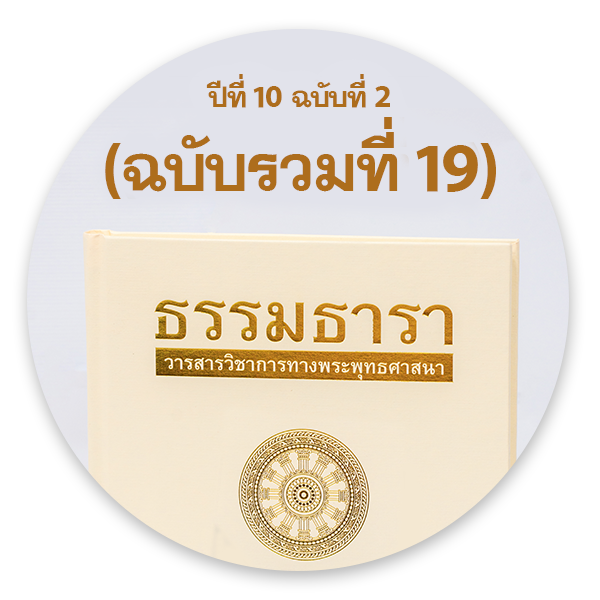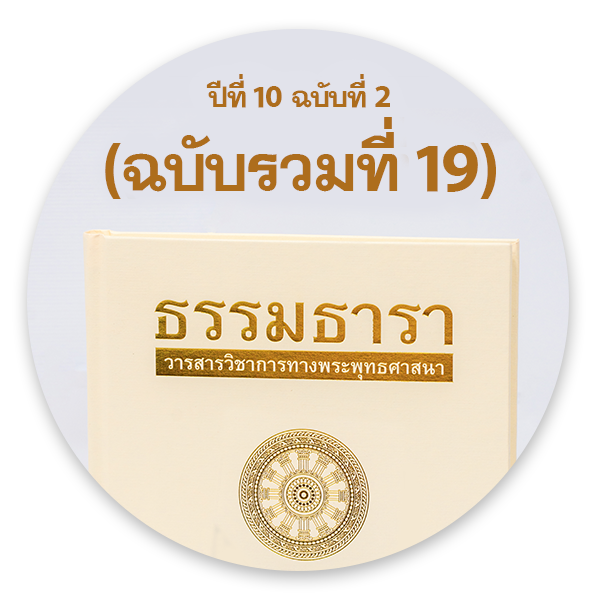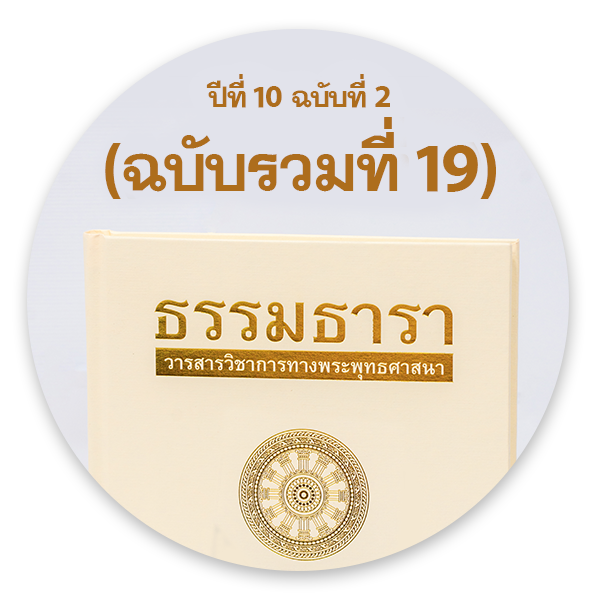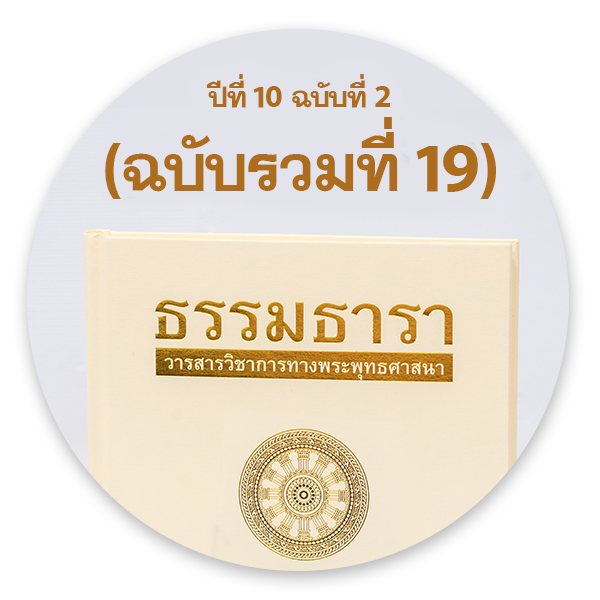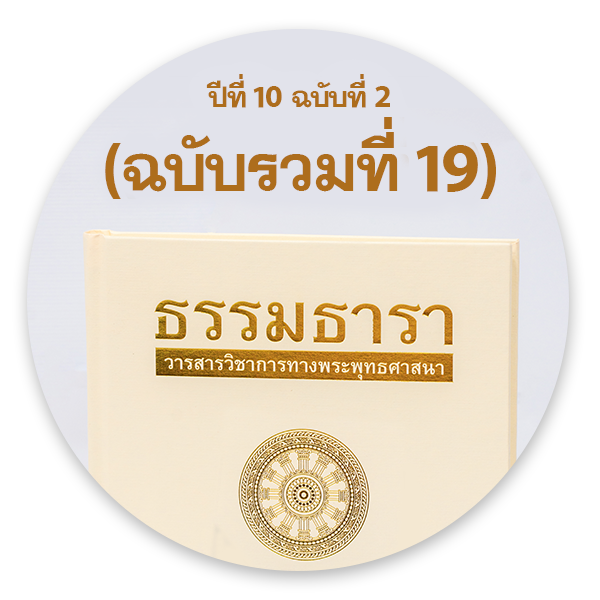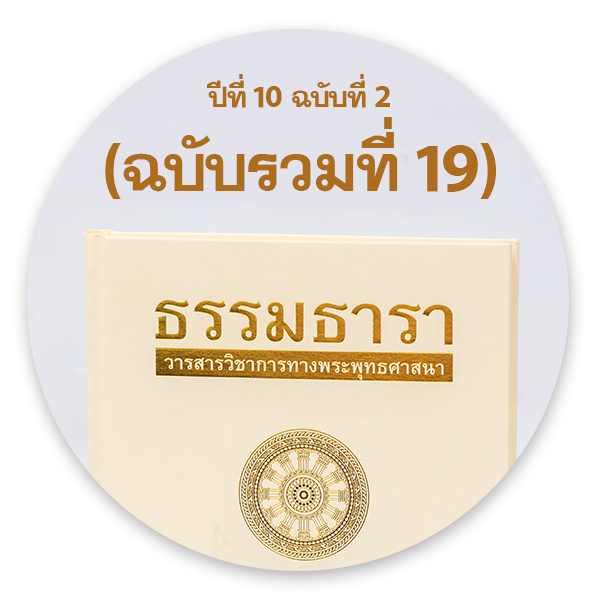
วารสารธรรมธารา ฉบับที่ 19 มีบทความ 5 เรื่อง ดังนี้
1. บทความวิจัยเรื่อง “อิทธิพลอักษรขอมไทยและอักษรไทย ในเอกสารใบลานวัดหนองหลัก จังหวัดอุบลราชธานี” ของ ผู้ช่วยศาสตราจารย์ ดร. บุญชู ภูศรี และคณะ ได้ศึกษาเอกสารใบลานวัดหนองหลัก จังหวัดอุบลราชธานี ซึ่งมีทั้งที่จารด้วยอักษรธรรมและอักษรขอมไทยในส่วนบันทึกท้ายคัมภีร์ พบว่า ได้รับอิทธิพลจากอักษรขอมไทยและอักษรไทยอย่างชัดเจน เป็นอีกตัวอย่างหนึ่งที่แสดงให้เห็นถึงอิทธิพลของสภาวะแวดล้อมทางการเมือง การปกครอง ชุมชน ที่มีผลต่อการจารจารึกคัมภีร์
2. บทความวิจัยเรื่อง “จาตุรงคสันนิบาต: วิเคราะห์เหตุการณ์จาตุรงค-สันนิบาตในคัมภีร์พระพุทธศาสนาเถรวาท” ของ ผู้ช่วยศาสตราจารย์ ดร.วิไลพร สุจริตธรรมกุล และคณะ ได้ศึกษาเหตุการณ์จาตุรงคสันนิบาตในวันมาฆบูชา จากเนื้อหาในคัมภีร์อรรถกถามัชฌิมนิกาย ทีฆนขสูตร กับคัมภีร์อรรถกถาทีฆนิกาย มหาปทานสูตร เปรียบเทียบกับเนื้อหาของคัมภีร์ชั้นพระไตรปิฎก ทีฆนิกาย มหาปทานสูตร พบว่า มีความสอดคล้องกัน ยืนยันการเกิดขึ้นจริงของเหตุการณ์นี้ในยุคต้นพุทธกาล
3. บทความวิจัย เรื่อง “การสืบทอดพระไตรปิฎกใบลานอักษรธรรม คัมภีร์พระวินัยปิฎก ปาราชิกกัณฑ์” ของ ดร. สุชาดา ศรีเศรษฐวรกุล ได้นำคัมภีร์ใบลานอักษรธรรม พระวินัยปิฎก ปาราชิกกัณฑ์ จำนวน 29 ชุด มาศึกษาเปรียบเทียบข้อความขึ้นต้นของเนื้อหาแต่ละบท ข้อความขึ้นต้นและลงท้ายของคัมภีร์ใบลานแต่ละชุด รวมถึงข้อมูลจากบันทึกท้ายคัมภีร์ใบลาน พบว่า สามารถจัดแบ่งกลุ่มคัมภีร์ใบลานเหล่านี้ออกเป็น 5 กลุ่มย่อย ซึ่งแต่ละกลุ่มย่อยมีเอกลักษณ์เฉพาะตน ทำให้เห็นร่องรอยการสืบทอดจารคัดลอกคัมภีร์ใบลานอักษรธรรมในอาณาจักรล้านนาและล้านช้างได้ชัดเจนขึ้น
4. บทความวิจัย เรื่อง “เสียง: เครื่องมือสู่สติและสมาธิ” ของ นางสาวศุภร บุญญลาภา ได้ศึกษาพบว่า เสียงสามารถเป็นเครื่องมือนำไปสู่สติและสมาธิได้ ดังที่สายปฏิบัติต่าง ๆ ก็มักมีคำบริกรรมภาวนาโดยใช้คำต่าง ๆ กัน ถือเป็นการวิจัยที่น่าสนใจอันหนึ่ง
5. บทความ เรื่อง “มหาไวปุลย พุทธาวตังสกสูตร สุวรรณสิงห์ปริเฉท: บทแปลพากย์ไทยเชิงปรัชญา และกรอบใหม่ในการเข้าใจอวตังสกะ” ของ ผู้ช่วยศาสตราจารย์ ดร.นิพนธ์ ศศิภานุเดช ได้แปลคัมภีร์ดังกล่าวจากพากย์จีนเป็นไทย พร้อมวิเคราะห์แนวคิดของอวตังสกะ โดยเฉพาะในประเด็นเรื่อง “ศูนยตา” ทำให้เข้าใจแนวคิดทางปรัชญาของอวตังสกะ ซึ่งเป็นนิกายสำคัญนิกายหนึ่งของมหายานได้ดีขึ้น
ประเทศไทยได้รับการยกย่องจากผู้คนจำนวนไม่น้อยว่า เป็นศูนย์กลางของพระพุทธศาสนาในยุคปัจจุบัน ในการที่จะเป็นได้จริงดังคำยกย่องดังกล่าว มีความจำเป็นต้องยกระดับการศึกษาวิจัยทางพุทธศาสตร์ของไทยให้สูงขึ้นสู่มาตรฐานวิชาการระดับโลก ทั้งในการวิจัยพระพุทธศาสนาเถรวาท ตลอดจนถึงแนวคิดของพุทธนิกายอื่น ๆ ด้วย ซึ่งวารสารธรรมธาราตั้งใจทำหน้าที่เป็นสื่อกลาง สนับสนุนการเผยแพร่การศึกษาวิจัยทางพุทธศาสตร์ที่มีคุณภาพอย่างเต็มที่ หวังว่า จะได้รับการสนับสนุน คำแนะนำที่ดีจากท่านผู้อ่านและท่านผู้รู้ทั้งหลายเช่นเคย
พระครูปลัดสุวัฒนโพธิคุณ
(สมชาย ฐานวุฑฺโฒ)
20 กรกฎาคม 2567
วันอาสาฬหบูชา
1. บทความวิจัยเรื่อง “อิทธิพลอักษรขอมไทยและอักษรไทย ในเอกสารใบลานวัดหนองหลัก จังหวัดอุบลราชธานี” ของ ผู้ช่วยศาสตราจารย์ ดร. บุญชู ภูศรี และคณะ ได้ศึกษาเอกสารใบลานวัดหนองหลัก จังหวัดอุบลราชธานี ซึ่งมีทั้งที่จารด้วยอักษรธรรมและอักษรขอมไทยในส่วนบันทึกท้ายคัมภีร์ พบว่า ได้รับอิทธิพลจากอักษรขอมไทยและอักษรไทยอย่างชัดเจน เป็นอีกตัวอย่างหนึ่งที่แสดงให้เห็นถึงอิทธิพลของสภาวะแวดล้อมทางการเมือง การปกครอง ชุมชน ที่มีผลต่อการจารจารึกคัมภีร์
2. บทความวิจัยเรื่อง “จาตุรงคสันนิบาต: วิเคราะห์เหตุการณ์จาตุรงค-สันนิบาตในคัมภีร์พระพุทธศาสนาเถรวาท” ของ ผู้ช่วยศาสตราจารย์ ดร.วิไลพร สุจริตธรรมกุล และคณะ ได้ศึกษาเหตุการณ์จาตุรงคสันนิบาตในวันมาฆบูชา จากเนื้อหาในคัมภีร์อรรถกถามัชฌิมนิกาย ทีฆนขสูตร กับคัมภีร์อรรถกถาทีฆนิกาย มหาปทานสูตร เปรียบเทียบกับเนื้อหาของคัมภีร์ชั้นพระไตรปิฎก ทีฆนิกาย มหาปทานสูตร พบว่า มีความสอดคล้องกัน ยืนยันการเกิดขึ้นจริงของเหตุการณ์นี้ในยุคต้นพุทธกาล
3. บทความวิจัย เรื่อง “การสืบทอดพระไตรปิฎกใบลานอักษรธรรม คัมภีร์พระวินัยปิฎก ปาราชิกกัณฑ์” ของ ดร. สุชาดา ศรีเศรษฐวรกุล ได้นำคัมภีร์ใบลานอักษรธรรม พระวินัยปิฎก ปาราชิกกัณฑ์ จำนวน 29 ชุด มาศึกษาเปรียบเทียบข้อความขึ้นต้นของเนื้อหาแต่ละบท ข้อความขึ้นต้นและลงท้ายของคัมภีร์ใบลานแต่ละชุด รวมถึงข้อมูลจากบันทึกท้ายคัมภีร์ใบลาน พบว่า สามารถจัดแบ่งกลุ่มคัมภีร์ใบลานเหล่านี้ออกเป็น 5 กลุ่มย่อย ซึ่งแต่ละกลุ่มย่อยมีเอกลักษณ์เฉพาะตน ทำให้เห็นร่องรอยการสืบทอดจารคัดลอกคัมภีร์ใบลานอักษรธรรมในอาณาจักรล้านนาและล้านช้างได้ชัดเจนขึ้น
4. บทความวิจัย เรื่อง “เสียง: เครื่องมือสู่สติและสมาธิ” ของ นางสาวศุภร บุญญลาภา ได้ศึกษาพบว่า เสียงสามารถเป็นเครื่องมือนำไปสู่สติและสมาธิได้ ดังที่สายปฏิบัติต่าง ๆ ก็มักมีคำบริกรรมภาวนาโดยใช้คำต่าง ๆ กัน ถือเป็นการวิจัยที่น่าสนใจอันหนึ่ง
5. บทความ เรื่อง “มหาไวปุลย พุทธาวตังสกสูตร สุวรรณสิงห์ปริเฉท: บทแปลพากย์ไทยเชิงปรัชญา และกรอบใหม่ในการเข้าใจอวตังสกะ” ของ ผู้ช่วยศาสตราจารย์ ดร.นิพนธ์ ศศิภานุเดช ได้แปลคัมภีร์ดังกล่าวจากพากย์จีนเป็นไทย พร้อมวิเคราะห์แนวคิดของอวตังสกะ โดยเฉพาะในประเด็นเรื่อง “ศูนยตา” ทำให้เข้าใจแนวคิดทางปรัชญาของอวตังสกะ ซึ่งเป็นนิกายสำคัญนิกายหนึ่งของมหายานได้ดีขึ้น
ประเทศไทยได้รับการยกย่องจากผู้คนจำนวนไม่น้อยว่า เป็นศูนย์กลางของพระพุทธศาสนาในยุคปัจจุบัน ในการที่จะเป็นได้จริงดังคำยกย่องดังกล่าว มีความจำเป็นต้องยกระดับการศึกษาวิจัยทางพุทธศาสตร์ของไทยให้สูงขึ้นสู่มาตรฐานวิชาการระดับโลก ทั้งในการวิจัยพระพุทธศาสนาเถรวาท ตลอดจนถึงแนวคิดของพุทธนิกายอื่น ๆ ด้วย ซึ่งวารสารธรรมธาราตั้งใจทำหน้าที่เป็นสื่อกลาง สนับสนุนการเผยแพร่การศึกษาวิจัยทางพุทธศาสตร์ที่มีคุณภาพอย่างเต็มที่ หวังว่า จะได้รับการสนับสนุน คำแนะนำที่ดีจากท่านผู้อ่านและท่านผู้รู้ทั้งหลายเช่นเคย
พระครูปลัดสุวัฒนโพธิคุณ
(สมชาย ฐานวุฑฺโฒ)
20 กรกฎาคม 2567
วันอาสาฬหบูชา
เผยแพร่แล้ว: 2024-07-31