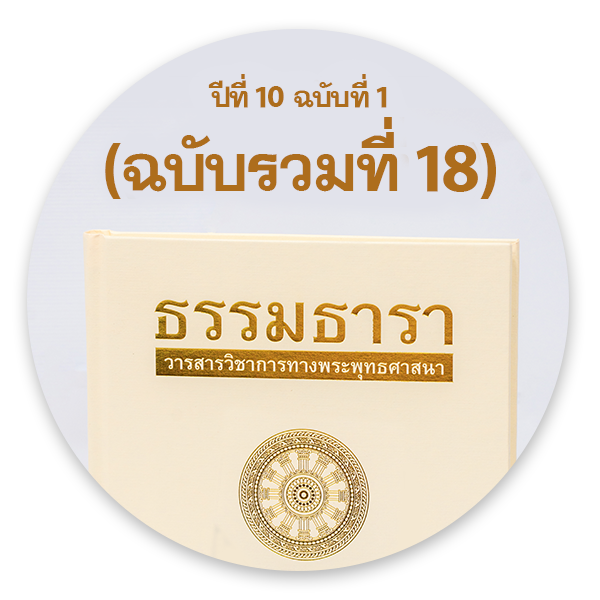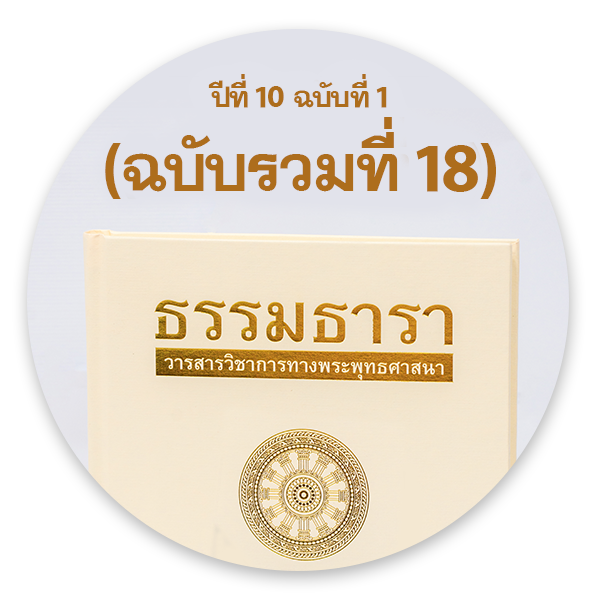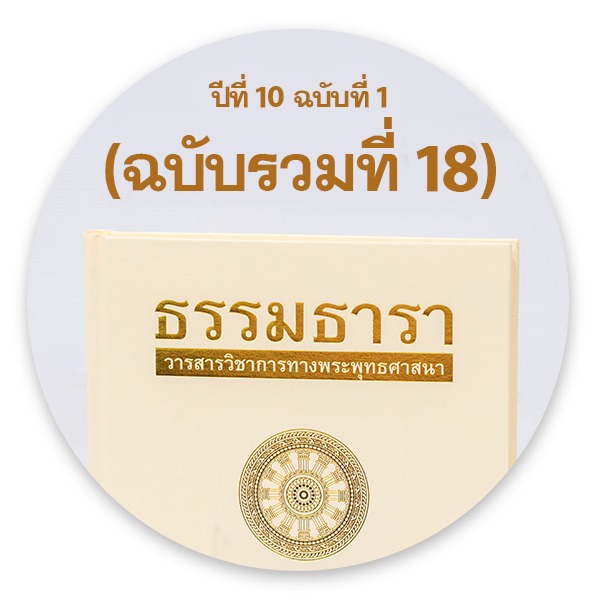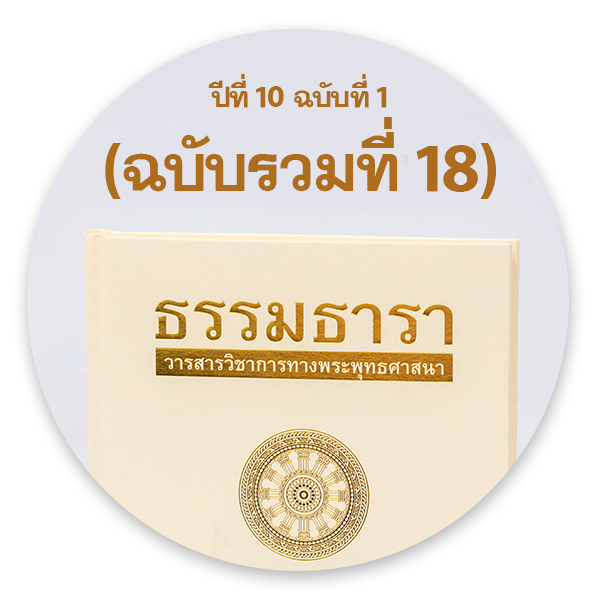
บทความวิจัยเรื่อง “พระมหากัจจายนะในเอกสารฉบับต่าง ๆ (3): การเทศน์สอนช่วงแรกและบทบาทต่อเนื้อหาในคัมภีร์พระพุทธศาสนา” ของ ดร. ชาคริต แหลมม่วง นี้เป็นตอนที่ 3 แล้ว นอกเหนือจากองค์ความรู้ที่ได้จากการวิจัยแล้ว สิ่งที่สำคัญคือ เป็นตัวอย่างการวิจัยเชิงคัมภีร์ที่มีการศึกษาเปรียบเทียบเนื้อหาของคัมภีร์ในนิกายต่างๆ อย่างกว้างขวาง ซึ่งผู้วิจัยต้องมีความรู้ในภาษาจารีตคัมภีร์ทั้งภาษาบาลี สันสกฤต จีน ทิเบต เป็นอย่างดี และมีการอ้างอิงบทวิจัยของนักวิชาการชั้นนำของโลกจำนวนมาก เป็นตัวอย่างที่ดีของบทความวิจัยที่ได้มาตรฐานสากล ผู้สนใจการศึกษาวิจัยเชิงคัมภีร์ไม่ควรพลาด
บทความวิจัยเรื่อง “วิเคราะห์แนวคิดในประเด็น พระพุทธศาสนามหายานมีต้นกำเนิดมาจากนิกายมหาสังฆิกะ” ของ พระมหาธัญสัณห์ กิตฺติสาโร ให้ความกระจ่างว่า ความเชื่อว่ามหายานมีต้นกำเนิดมาจากนิกายมหาสังฆิกะเพราะต่างเป็นอาจริยวาทและไม่เคร่งครัดพระวินัยเหมือนกัน เป็นความเข้าใจผิด โดยได้แสดงหลักฐานและเหตุผลสนับสนุนจำนวนมาก
ชาวไทยจำนวนมากห้อยพระเครื่อง จำนวนไม่น้อยเชื่อมั่นในความศักดิ์สิทธิ์อำนาจพุทธคุณ พระเครื่องที่มีชื่อเสียงบางองค์มีมูลค่านับสิบล้านบาท กิตติศัพท์ความขลังของพระเครื่องไทยเลื่องลือไปถึงต่างประเทศ ชาวสิงคโปร์ ชาวมาเลย์ ชาวจีน จำนวนไม่น้อยก็มีศรัทธามาหาเช่าซื้อในประเทศไทย บทความเรื่อง “พัฒนาการกำเนิดพระเครื่องในประเทศไทย: วิเคราะห์จุดเปลี่ยนแนวคิดและความเชื่อการสร้างพระเครื่องในสมัยกรุงศรีอยุธยา” ของ นางสาวศุภสิณี รัตตะคุ และดร. ภัทธิดา แรงทน ได้ให้องค์ความรู้ถึงพัฒนาการของการสร้างพระเครื่องอย่างน่าสนใจ ผู้อ่านจะได้ทั้งความเพลิดเพลิน และประเทืองปัญญา
‘ขยะ’ เป็นปัญหาใหญ่ในสังคมไทยและทั่วโลก การกำจัดขยะอย่างถูกวิธีมีส่วนช่วยแก้ปัญหาเรื่องสิ่งแวดล้อม ส่งเสริมคุณภาพชีวิตของผู้คนในพื้นที่นั้น ๆ เป็นอย่างมาก บทความวิจัย เรื่อง “แนวทางจัดการเรียนรู้และปฏิบัติเพื่อกำจัดขยะให้เป็นศูนย์ตามหลักพุทธบริหาร สำหรับวัดในจังหวัดพระนครศรีอยุธยา” ของ พระมหาอภิเชษฐ มุทุจิตฺโต และดร. อรทัย มูลคำ ได้ศึกษาเรื่องการกำจัดขยะของวัดโดยใช้หลักคิดของพุทธ เป็นประโยชน์ในการประยุกต์ใช้ในพื้นที่อื่น ๆ ต่อไป
ปัจจุบันประเทศไทยกำลังมีการเปลี่ยนแปลงไปอย่างรวดเร็ว ทั้งด้านเศรษฐกิจ การเมือง และสังคม ส่งผลให้จำนวนพระภิกษุสามเณรในช่วงปี พ.ศ. 2555-2565 ลดลงถึง 66,953 รูป คือ จาก 355,295 รูป เหลือเพียง 288,342 รูป ซึ่งหากแนวโน้มเป็นเช่นนี้ต่อไปจะส่งผลต่อความมั่นคงของพระพุทธศาสนาในอนาคตอย่างมาก บทความวิจัยเรื่อง “การกระจายตัวและการเปลี่ยนแปลงของจำนวนวัดและบุคลากรทางพระพุทธศาสนาในประเทศไทย” ของ ผู้ช่วยศาสตราจารย์ ดร. ศุภฤกษ์ โออินทร์ และคณะ ได้ให้ข้อมูลสารสนเทศภูมิศาสตร์และสถิติเชิงพื้นที่ เป็นประโยชน์ต่อการศึกษาและหาแนวทางแก้ไขเรื่องจำนวนบุคลากรทางพระพุทธศาสนา
บทความวิจัยเรื่อง “การพัฒนาพื้นที่เรียนรู้ของชุมชนต้นแบบในสังคมไทย” ของ พระครูพิลาสธรรมากร (ณัฐพล ประชุณหะ “จนฺทิโก”), ผู้ช่วยศาสตราจารย์,ดร. และคณะ ได้ศึกษาการใช้วัดเป็นศูนย์กลางในการขับเคลื่อนประเทศไทยสู่สังคมแห่งการเรียนรู้ในยุค 4.0
ปัจจุบัน สังคมไทยและสังคมโลกกำลังเปลี่ยนแปลงไปอย่างรวดเร็วในอัตราเร่งจากนวัตกรรมใหม่ ๆ ทางเทคโนโลยี ซึ่งส่งผลกระทบทั่วทุกด้านทั้งทางเศรษฐกิจ การเมือง สังคม การศึกษาและนำภูมิปัญญาในพระพุทธศาสนาซึ่งเป็นแก่น เป็น soft power ที่สำคัญที่สุดของสังคมไทย มาเป็นประโยชน์ในการสร้างความมั่นคงและเจริญก้าวหน้าแก่สังคมไทยและพระพุทธศาสนาจึงมีความสำคัญมาก ขอท่านผู้อ่านได้มาร่วมกันสร้างสรรค์สังคมอุดมปัญญาให้เกิดขึ้นกับชาติบ้านเมืองของเรา
พระครูปลัดสุวัฒนโพธิคุณ
(สมชาย ฐานวุฑฺโฒ)
19 มกราคม 2567
เผยแพร่แล้ว: 2024-02-08
ฉบับเต็ม
บทความวิจัยทางพระพุทธศาสนา