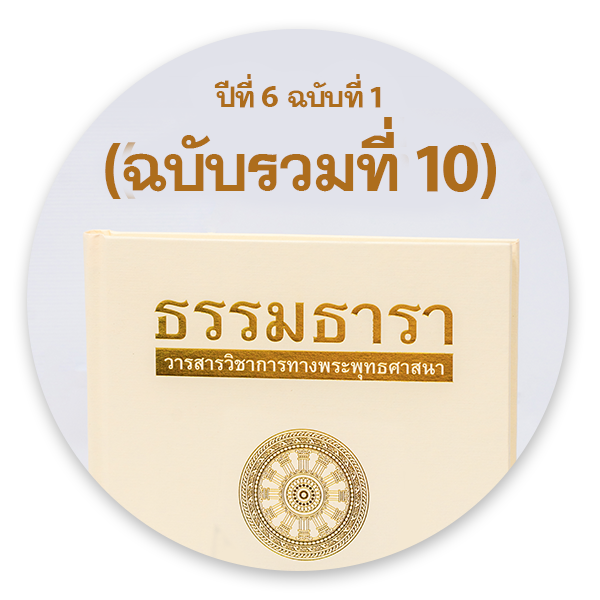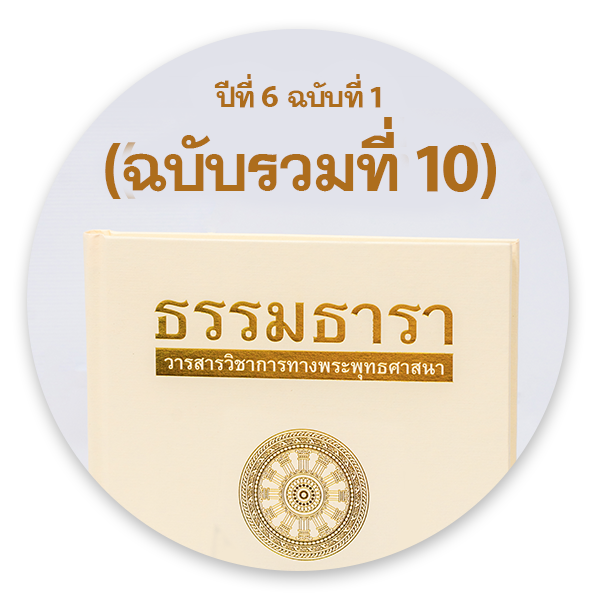
วารสารธรรมธารา ได้ย่างเข้าสู่ปีที่ 6 ฉบับรวมที่ 10 แล้ว ในเดือนมกราคม พุทธศักราช 2563 ที่ผ่านมามีข่าวที่น่ายินดี คือ วารสารธรรมธาราผ่านการประเมินคุณภาพวารสารโดยศูนย์ดัชนีการอ้างอิงวารสารไทย (TCI) โดยจัดอยู่ในกลุ่มที่ 2 (Tier #2) ทำให้ท่านผู้เขียนบทความลงตีพิมพ์ในวารสารธรรมธาราสามารถนำผลงานไปใช้ในการพิจารณาขอตำแหน่งทางวิชาการหรือการขอสำเร็จการศึกษาในระดับดุษฎีบัณฑิตได้ ขออนุโมทนาขอบคุณท่านผู้ทรงคุณวุฒิผู้ตรวจบทความ ผู้เขียนบทความ กองบรรณาธิการ ท่านเจ้าภาพที่สนับสนุนทุนในการจัดพิมพ์ ตลอดจนผู้ที่เกี่ยวข้องทุกท่านมา ณ โอกาสนี้
ในวารสารธรรมธาราฉบับนี้ มีเนื้อหาที่หลากหลายทั้งพระพุทธศาสนาในไทย คำสอนดั้งเดิมในพระไตรปิฎก พระพุทธศาสนามหายาน และแนวคิดของนักปรัชญาตะวันตกที่มีส่วนคล้ายพระพุทธศาสนาบทความเรื่อง “การศึกษาเปรียบเทียบรูปแบบการพัฒนาจิตของกรรมฐาน 5 สายในสังคมไทย” ของพระมหาวุฒิชัย วุฒิชโย (ป.ธ.9, ดร.) ได้ศึกษาหลักปฏิบัติของสายพุทโธ สายอานาปานสติ สายพองหนอ-ยุบหนอ สายรูปนาม และสายสัมมาอะระหัง โดยเปรียบเทียบกับหลักคำสอนในพระไตรปิฎกและคัมภีร์วิสุทธิมรรคได้อย่างน่าสนใจ ผู้ที่สนใจการปฏิบัติธรรมไม่ควรพลาด
บทความแปลเรื่อง “พระพุทธศาสนามหายาน เหตุใดคำสอนของพระพุทธเจ้าจึงมีความหลากหลาย” พระมหาพงศ์ศักดิ์ ฐานิโย, ดร. ได้ถอดความเป็นภาษาไทย ผลงานการเขียนของศาสตราจารย์ ดร. ซาซากิ ชิซุกะ ผู้เชี่ยวชาญพระพุทธศาสนาเถรวาทจากประเทศญี่ปุ่น ซึ่งเป็นประเทศที่คนส่วนใหญ่นับถือพระพุทธศาสนามหายาน เราจะได้เห็นมุมมองต่อพระพุทธศาสนามหายาน พระพุทธศาสนาเถรวาท และคำสอนดั้งเดิมของพระสัมมาสัมพุทธเจ้า ของนักวิชาการจากประเทศมหายาน ซึ่งได้ให้แง่คิดที่แปลกใหม่มองจากภาพใหญ่ของกระบวนการสืบทอดและเผยแผ่พระพุทธศาสนาในประวัติศาสตร์กว่า 2,500 ปี
บทความเรื่อง “โชเปนฮาวเออร์ ข้อวิพากษ์แนวคิดของแบบทุนิยม” โดย ดร.รุ่งนิภา เหลียง ทำให้เราได้รู้ถึงแนวคิดของโชเปนฮาวเออร์ นักปรัชญาชาวเยอรมันเมื่อเกือบ 2 ศตวรรษที่แล้ว ที่มองว่าชีวิตเป็นทุกข์ ก่อให้เกิดกระแสวิพากษ์วิจารณ์อย่างมากในดินแดนตะวันตก ว่าเป็นการมองโลกในแง่ร้าย แนวคิดแบบสุนิยม การมองโลกในแง่ดีต่างหากที่ทำให้ชีวิตมีความหวัง มีความเจริญก้าวหน้า แต่เมื่อมองไปจนสุดสาย แนวคิดแบบสุนิยมนี้ก็นำไปสู่การยึดติดวัตถุ กลายเป็นพวกวัตถุนิยมหรือพวกจารวาก บางทีเส้นทางสายกลางอาจเป็นคำตอบ คือ การรับรู้ความจริงของชีวิตว่าเป็นทุกข์ แต่มีความหวังอย่างเต็มเปี่ยมว่า เราสามารถเอาชนะความทุกข์นี้ได้ ด้วยการปฏิบัติตามหลักมรรคมีองค์ 8 ซึ่งจะทำให้เรามีความสุข พอประมาณ (ทุกข์น้อย) ในโลกนี้ ในโลกหน้า และดับทุกข์ได้โดยสิ้นเชิงในที่สุด
แหล่งรวมคำสอนของพระสัมมาสัมพุทธเจ้าที่สำคัญที่สุดคือ พระไตรปิฎกบาลี ซึ่งได้สืบทอดมาในรูปแบบท่องจำ (มุขปาฐะ) ในช่วง 400 กว่าปีแรกหลังพุทธกาล ต่อมาก็ได้จารจารึกเป็นตัวอักษรในคัมภีร์ใบลาน สืบทอดต่อๆกันมา เป็น 5 สายจารีตใหญ่ คือ ลังกา (อักษรสิงหล) ไทย (อักษรขอม) พม่า (อักษรพม่า) ล้านนา (อักษรธรรม) และมอญ (อักษรมอญ) แต่ละสายจารีตก็ต้องคัดลอกคัมภีร์ต่อๆ กันมา เพราะอายุใบลานมีจำกัด ทำให้คัมภีร์ใบลานเหล่านี้แม้มีเนื้อหาส่วนใหญ่เกือบทั้งหมดเหมือนกัน อย่างน่าอัศจรรย์ในความวิริยะอุตสาหะของพระเถรานุเถระในอดีต ที่ช่วยกันรักษาคำสอนของพระสัมมาสัมพุทธเจ้าอย่างดียิ่ง แต่ก็มีความแตกต่างกันบ้างในรายละเอียด
บทความเรื่อง “การใช้อรรถกถาวินิจฉัยศัพท์ดั้งเดิม: กรณีศึกษาคัมภีร์ทีฆนิกาย” ของ ดร.บรรเจิด ชวลิตเรืองฤทธิ์ ได้แสดงให้เห็นอย่างชัดเจนว่า เราสามารถใช้อรรถกถามาช่วยในการวินิจฉัยหาคำอ่านดั้งเดิมในคัมภีร์ของพระไตรปิฎกได้ โดยศึกษาจากคัมภีร์ใบลานของทีฆนิกายจำนวนถึง 48 ฉบับ จากทุกสายจารีต เป็นประโยชน์ต่อวงวิชาการศึกษาคัมภีร์พุทธของโลกอย่างมาก และเป็นการศึกษาวิจัยโดยใช้คัมภีร์ใบลานจำนวนมากที่สุดอันหนึ่งในวงการพุทธโลก เพื่อให้เราสามารถรักษาคำสอนของพระสัมมาสัมพุทธเจ้าให้ได้บริสุทธิ์ บริบูรณ์ที่สุด
บทความเรื่อง “จารึกเสาแปดเหลี่ยมชัยนาท: จารึกอรรถกถาอภิธรรมที่เก่าที่สุดในประเทศไทย” โดย ดร.อุเทน วงศ์สถิตย์ ได้ศึกษาจากข้อความภาษาบาลีในจารึกเสาแปดเหลี่ยม จังหวัดชัยนาท ซึ่งมีอายุราว 1,500 ปี ในสมัยทวารวดี โดยสืบค้นเปรียบเทียบกับข้อความในพระไตรปิฎกและอรรถกถา เป็นที่น่ายินดีว่าการศึกษาค้นคว้าจารึกโบราณในประเทศไทย ที่เกี่ยวข้องกับพระพุทธศาสนากำลังเป็นไปอย่างคึกคักและจะก้าวหน้ายิ่งขึ้นต่อไป สมกับที่ประเทศไทยได้รับการยกย่องว่าเป็นศูนย์กลางพระพุทธศาสนาของโลก
หวังว่าท่านผู้อ่านจะได้รับประโยชน์จากบทความต่างๆ ในวารสารธรรมธาราฉบับนี้ตามสมควร
พระครูปลัดสุวัฒนโพธิคุณ (สมชาย ฐานวุฑฺโฒ)
20 กุมภาพันธ์ 2563
เผยแพร่แล้ว: 2020-03-30